
MENU

| Risk | How Lockers Remedy It |
| Load Shifting During Transport | Cargo moves or slides during transit, causing imbalance or damage. |
| Falling Objects | Unsecured items can fall from shelves, vehicles, or containers, endangering workers. |
| Product Damage | Goods may collide or rub against each other during movement. |
| Loss of Goods in Transit | Loose or unsecured cargo can be lost on the road or at loading bays. |
| Non-Compliance with Transport Safety Regulations | Failing to secure loads properly can result in fines or legal issues. |
| Worker Injury from Shifting Loads | Workers may be injured by sudden cargo movement during unloading. |
| Cargo Overloading or Instability | Poor load distribution causes imbalance or tipping of stacked items. |
| Environmental Exposure | Wind or vibration can dislodge light or irregular cargo (e.g. bags, boxes). |
| Storage Spillage in Warehouses | Items stored on racks or mezzanines can fall due to vibration or handling. |
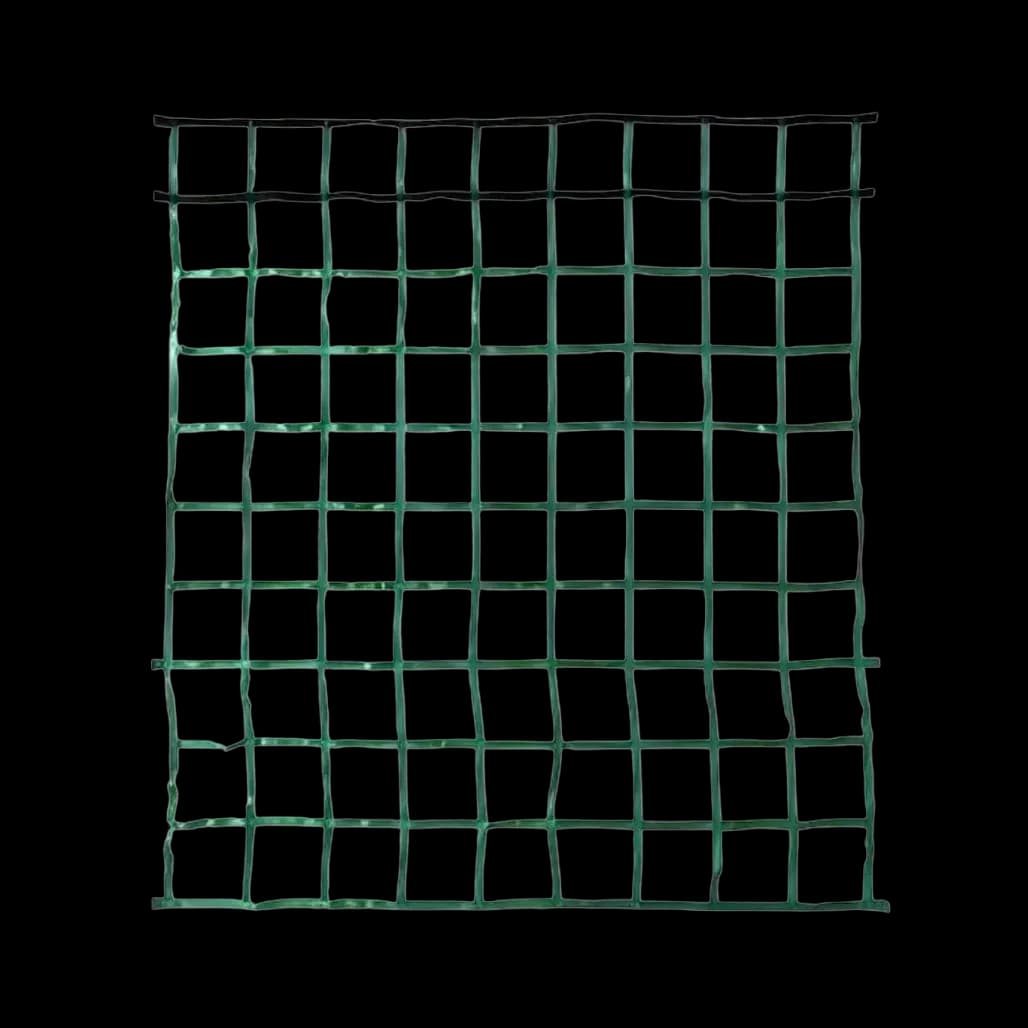
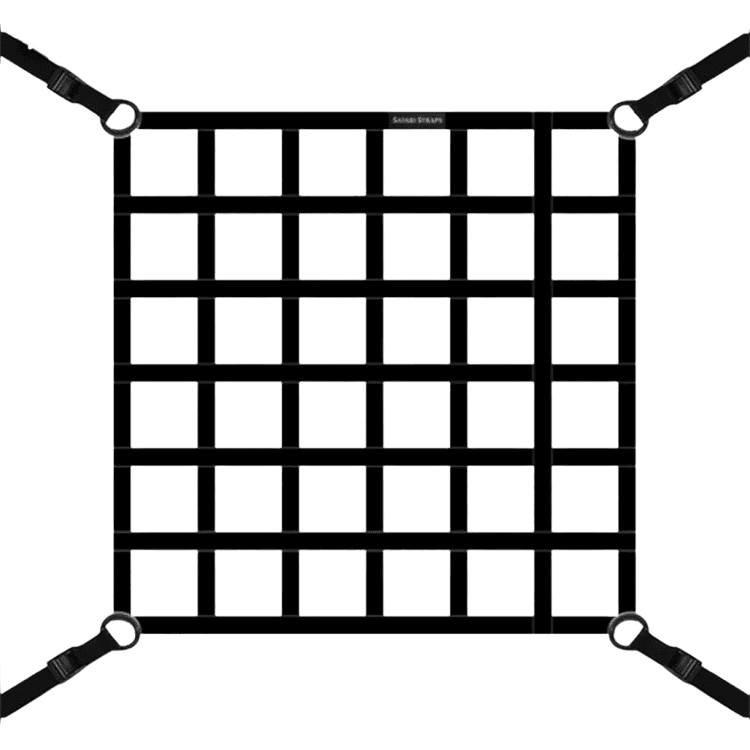
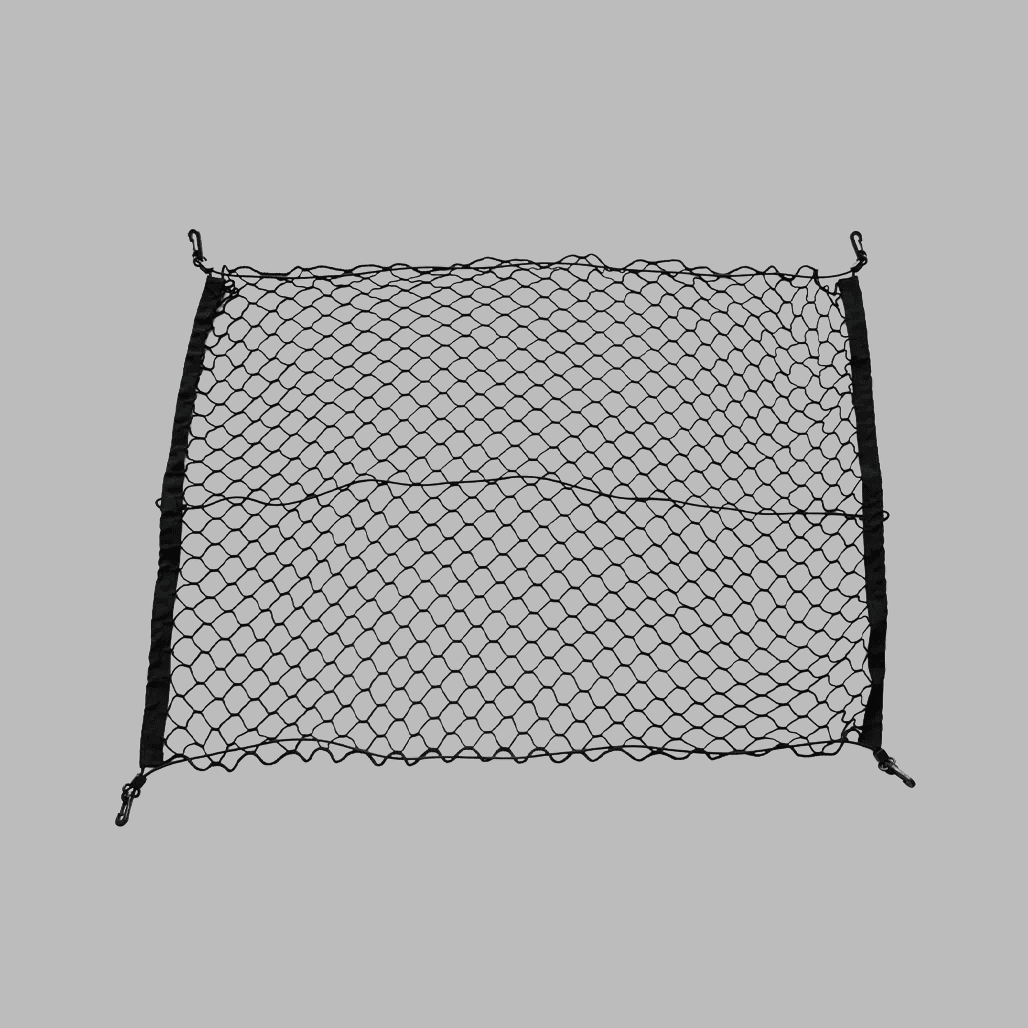
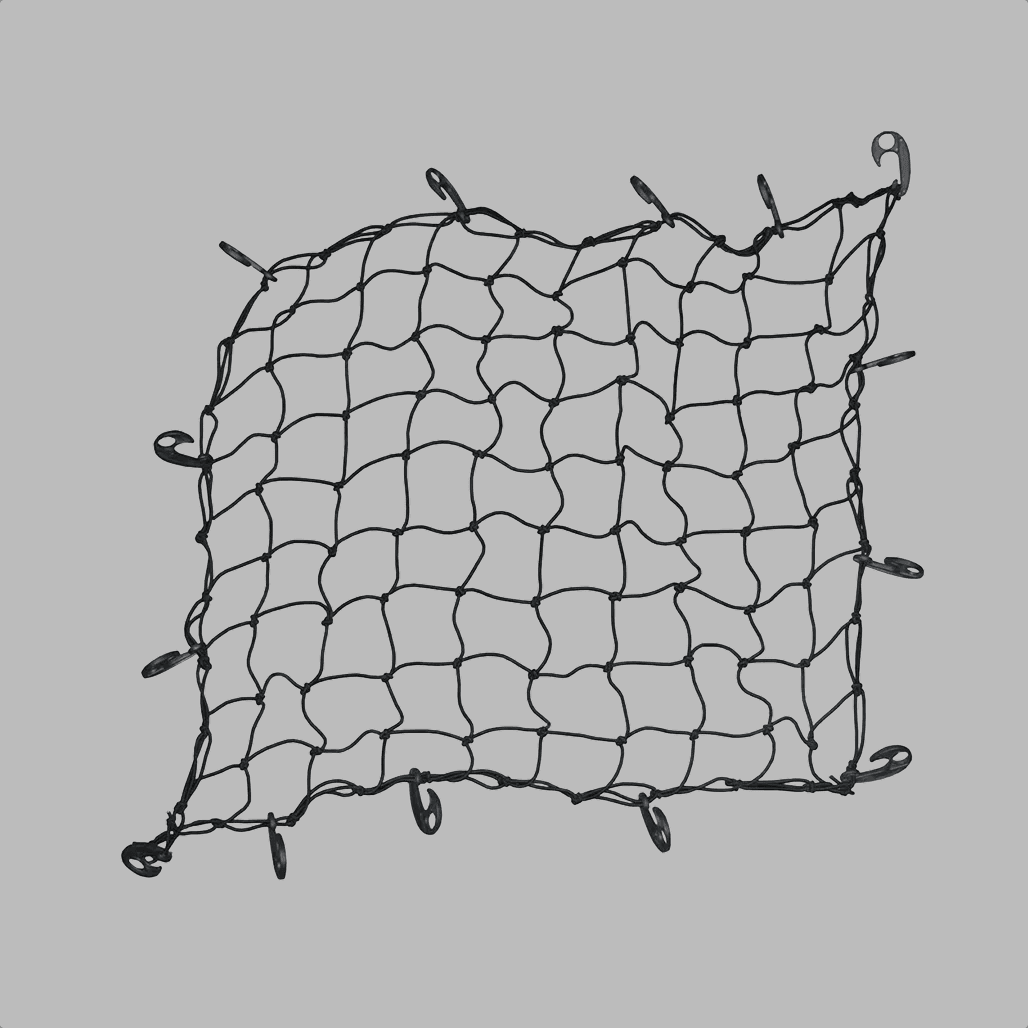
Most nets are made from high-strength nylon, polyester, or polypropylene with reinforced edges. Some heavy-duty nets use elastic or bungee material for stretching and secure fit. The type of material you choose affects durability, weather resistance, and load capacity.
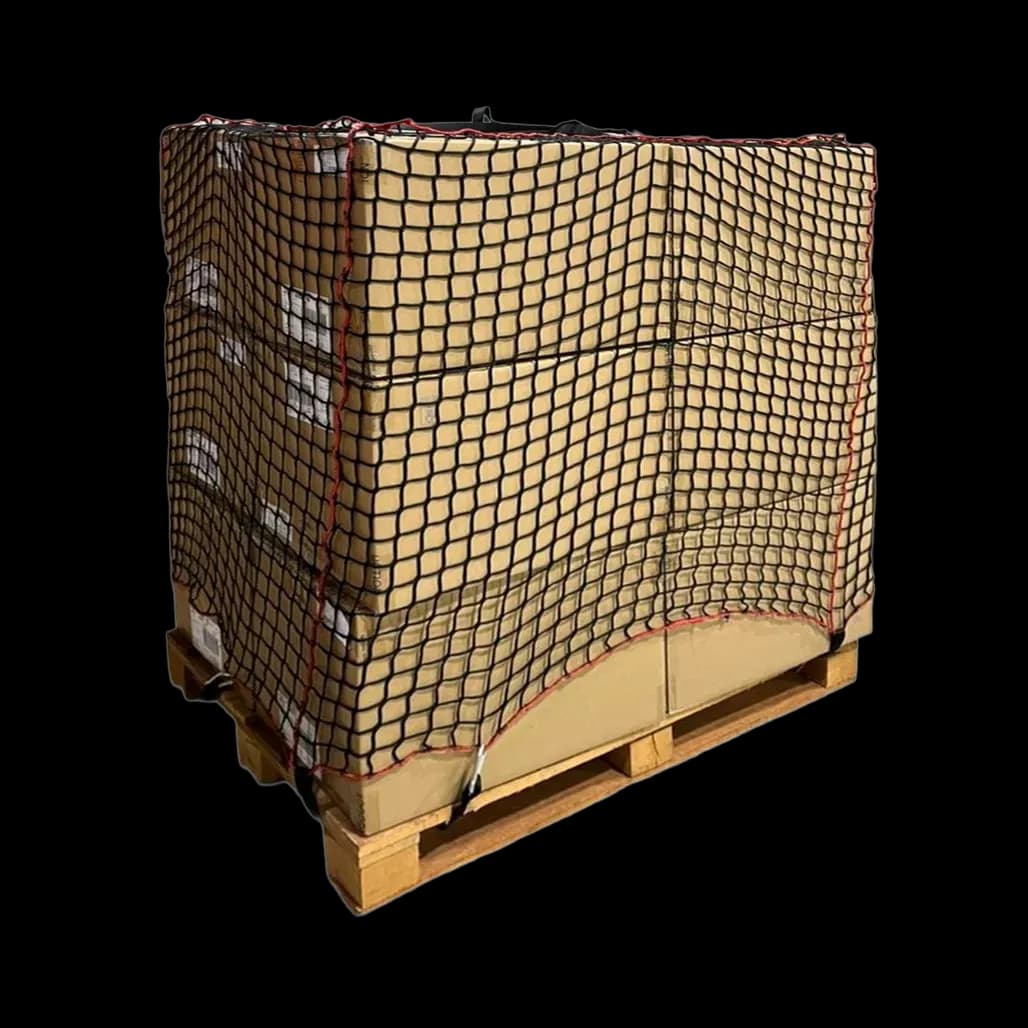
The cargo net size you need depends on the dimensions of your cargo or container. Measure the length, width, and height of the items you want to cover and allow some overlap for secure tying. Traceable Risk Monitoring offers standard sizes or custom nets for trucks, shipping containers, and pallets.
Nets are rated by maximum load or tensile strength, measured in kilograms. Make sure the net of your choice is rated higher than the total cargo weight you want to cover to ensure safety. Some nets are designed for light cargo, others for heavy cargo in shipping containers.
Yes, our cargo nets are UV-resistant and water-resistant, suitable for outdoor transport. Nets for long-haul trucks or shipping containers are typically sun- and rain-proof, preventing degradation.