
Traceable Risk Monitoring
Smiling worker in hard hat carrying blue security tote box
Secure smarter, Move greener

Risks that require the use of Lockers:

Summary table of Risks vs. Locker Solution

Risk How Lockers Remedy It
Theft of personal items Secure storage with locks
Misuse of equipment Key management and restricted access
Unauthorized access Digital or key-controlled lockers
Workplace injuries Safe storage of PPE and hazardous materials
Data or document loss Secure compartments for files and electronics
Operational delays Organised storage of tools and keys
Contamination Separate lockers for food, uniforms, or chemicals
Property damage Durable, impact-resistant storage
Compliance breaches Controlled access to safety equipment
Disorganisation Structured compartments with labelling

FAQ

What are the advantages of a plastic locker?

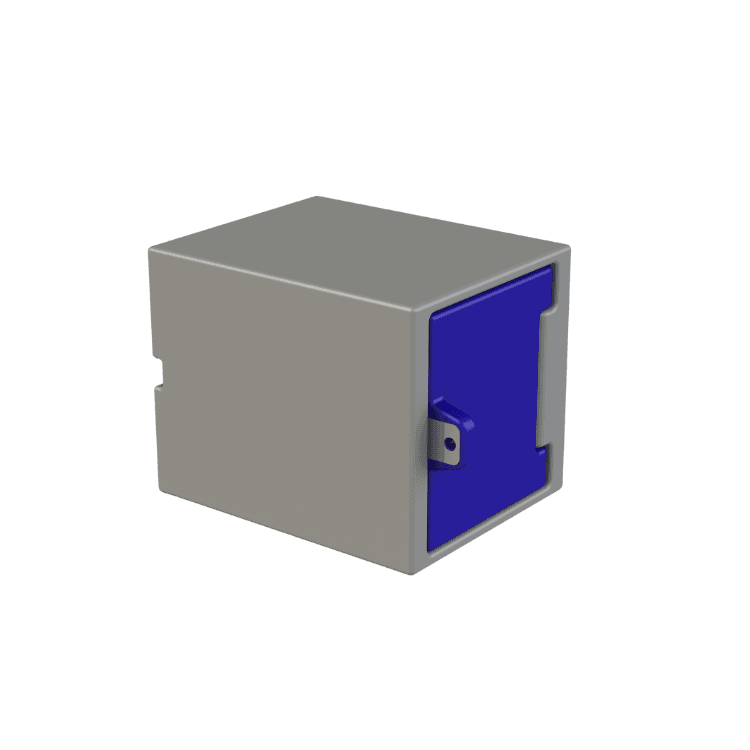
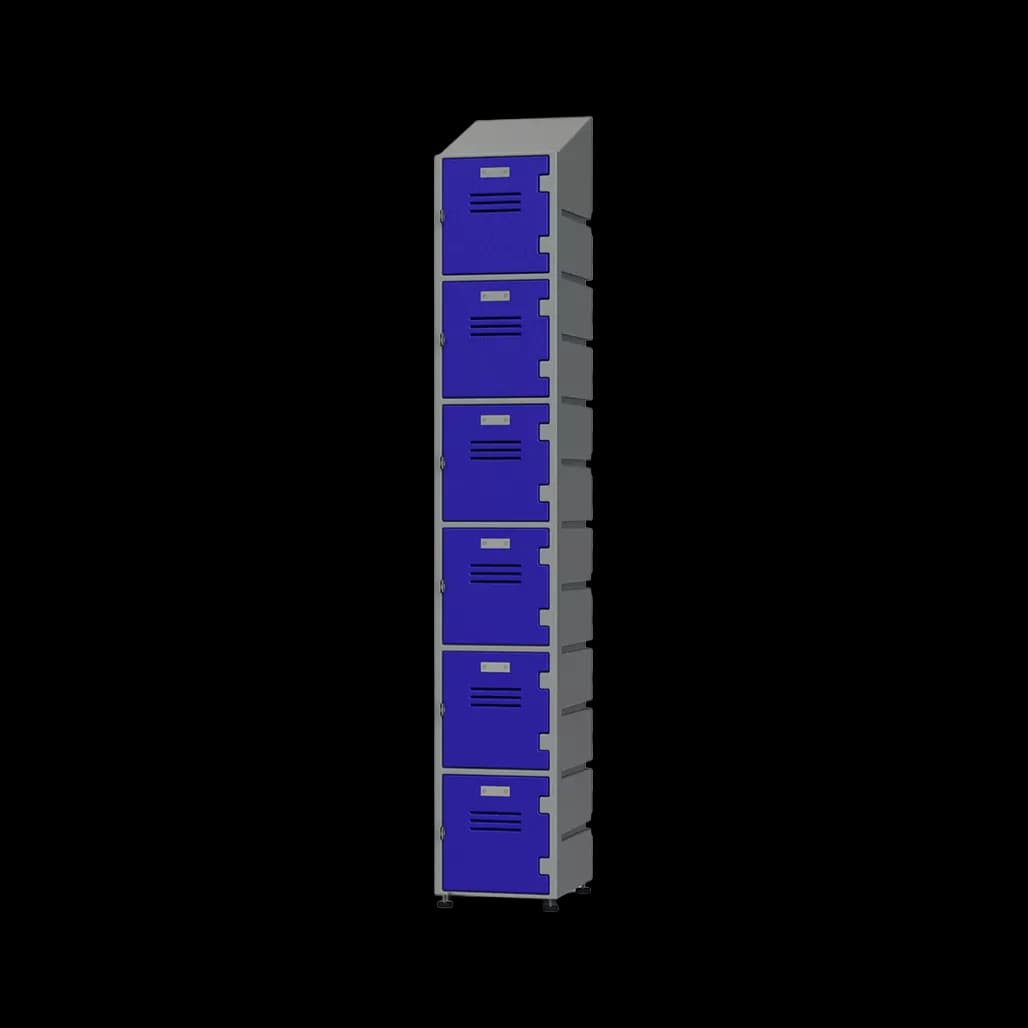
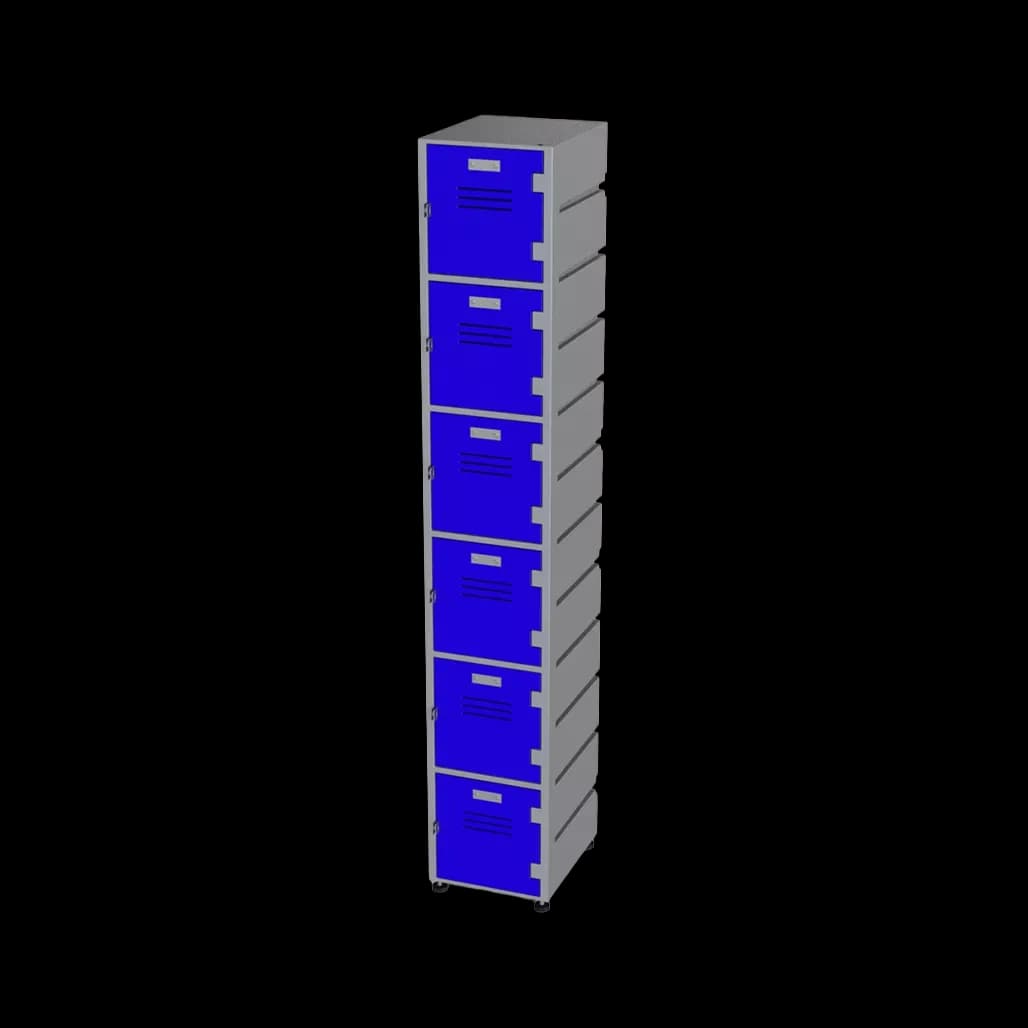
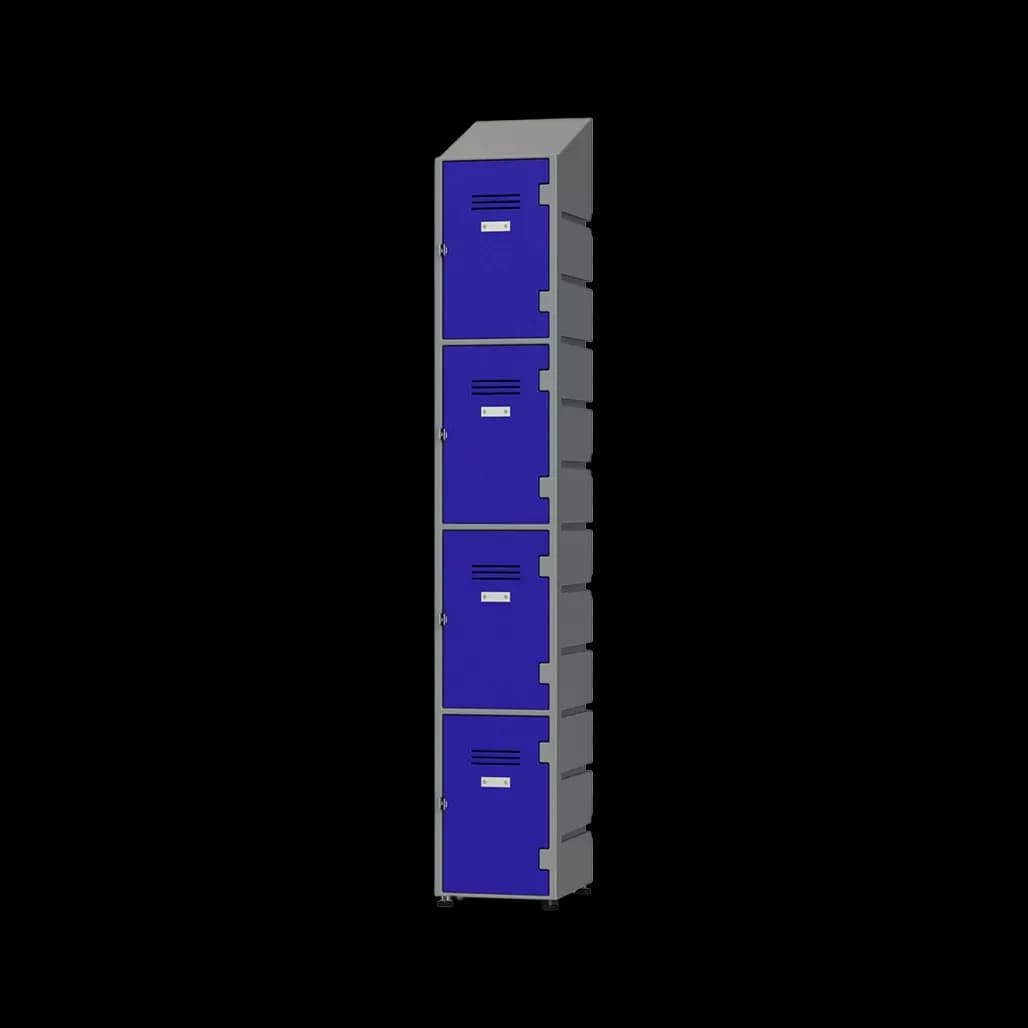
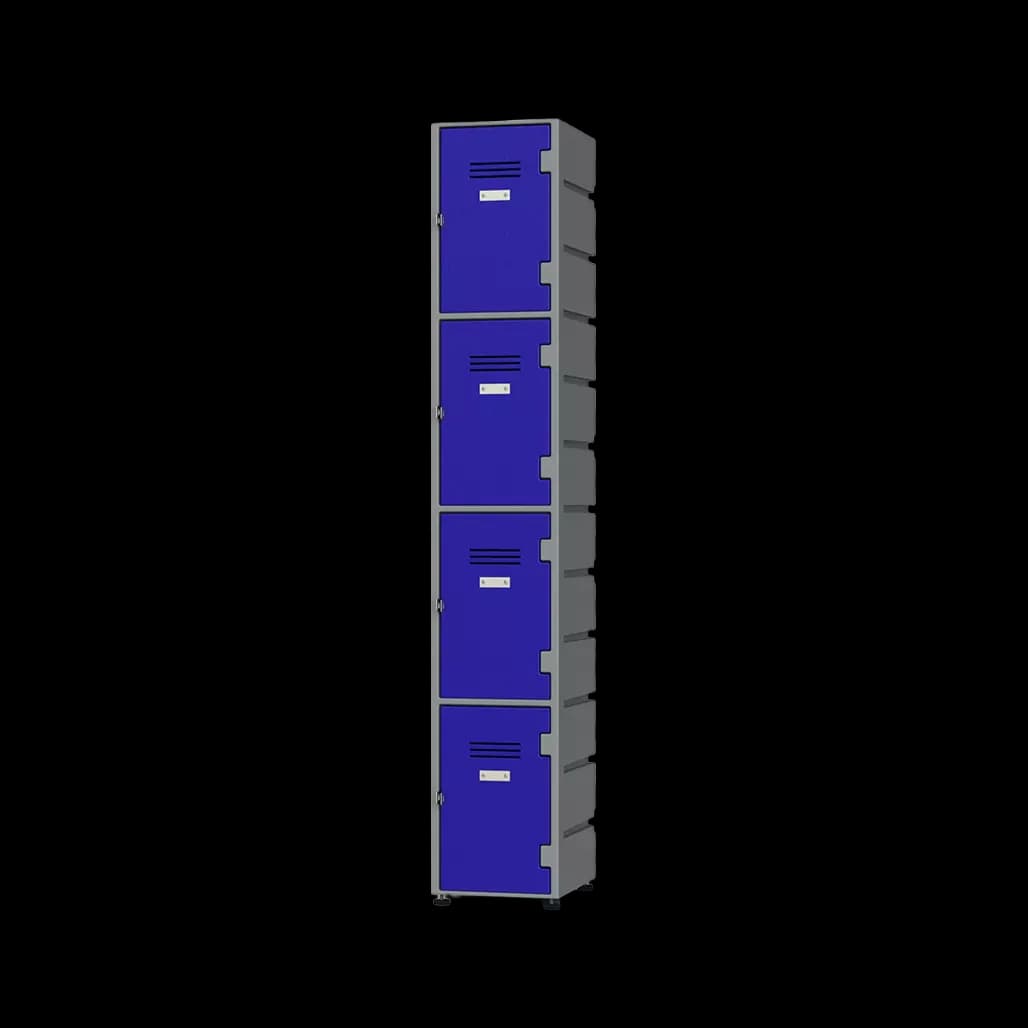
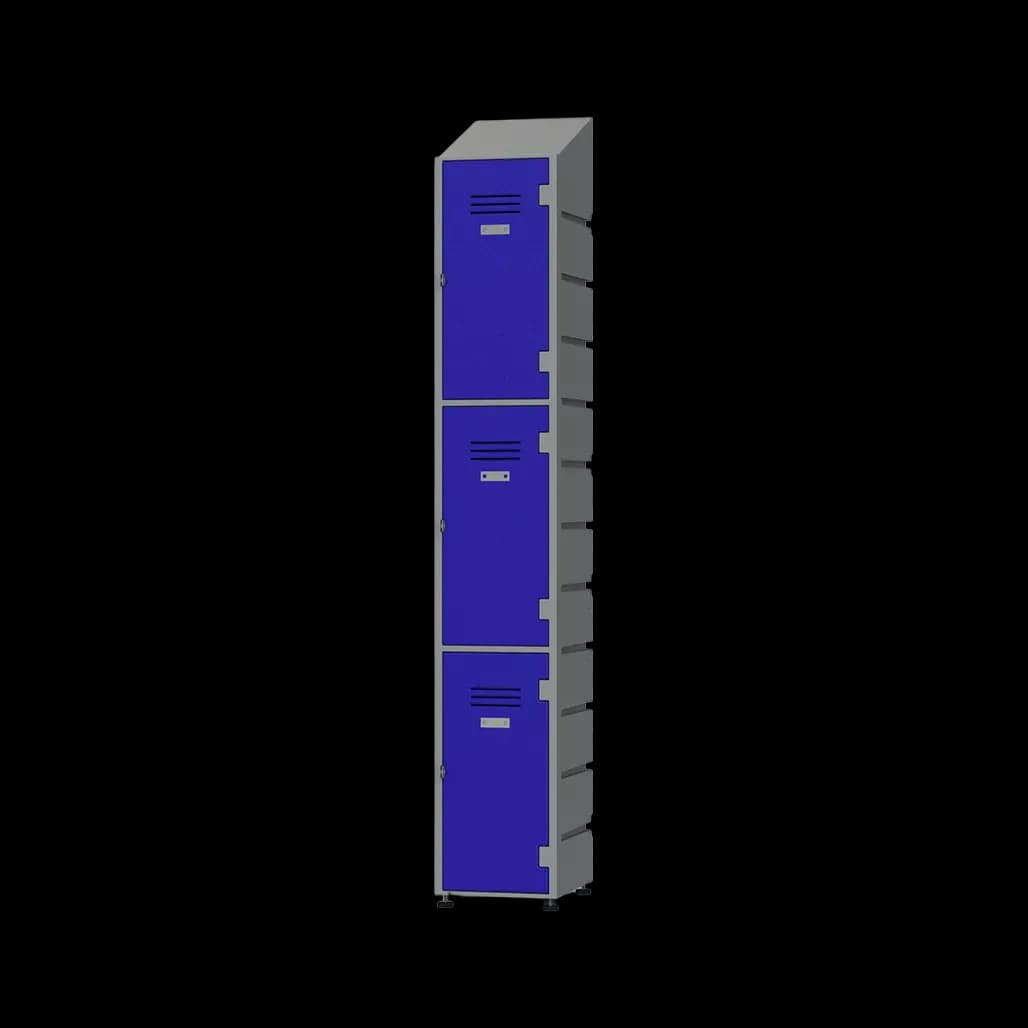
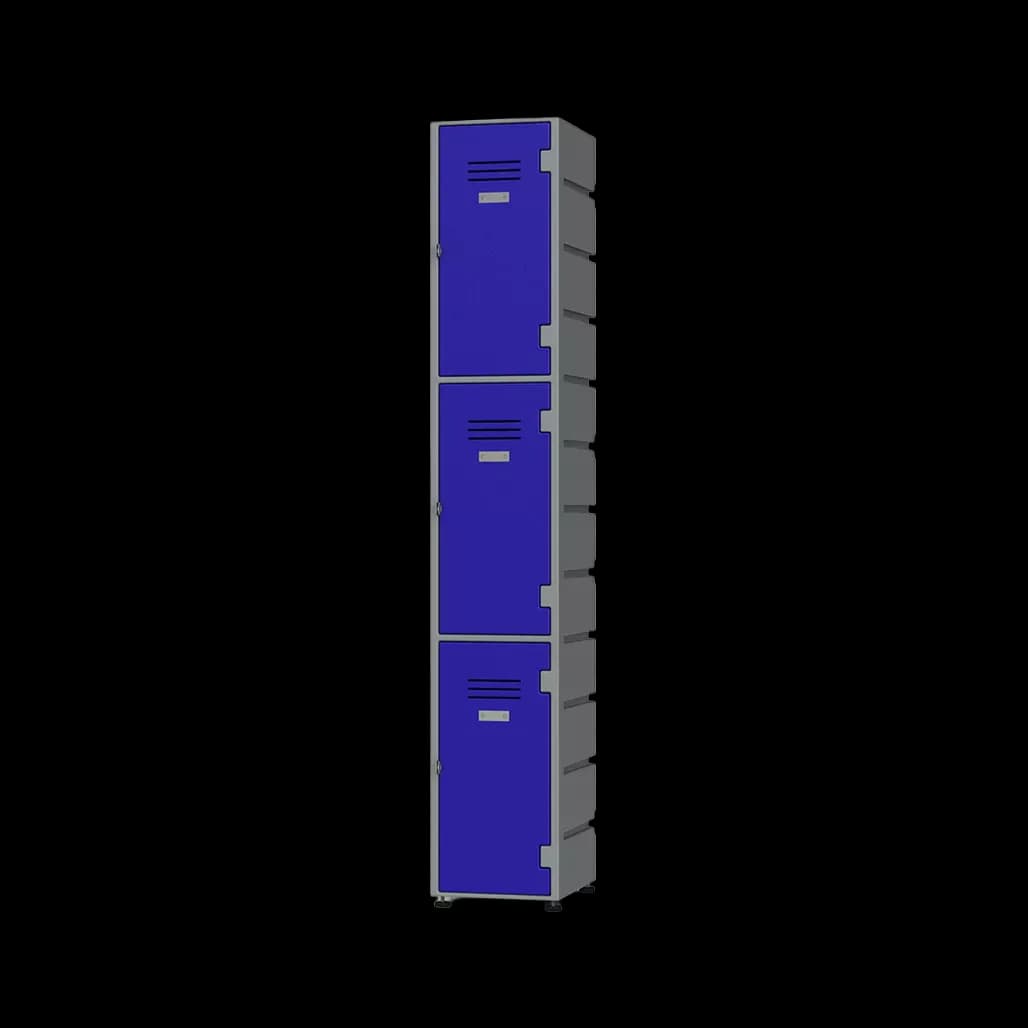
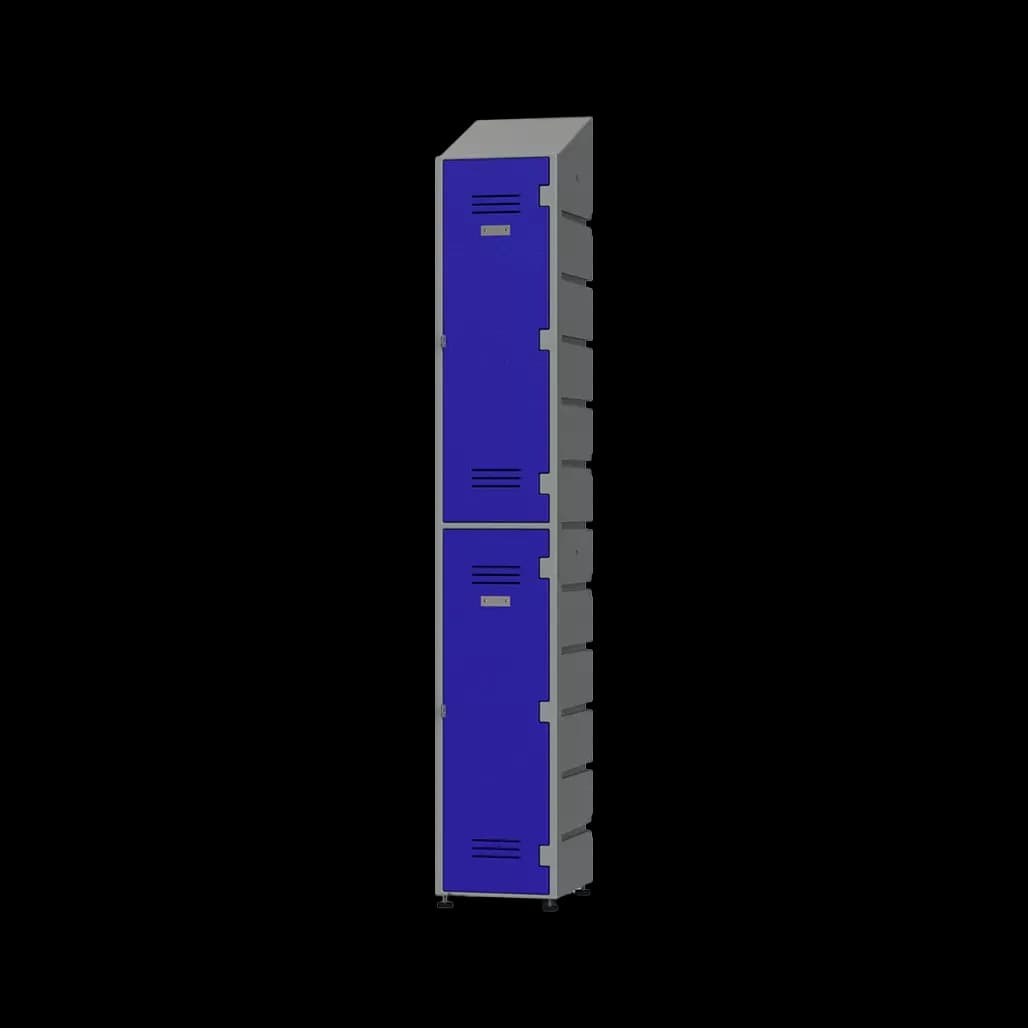
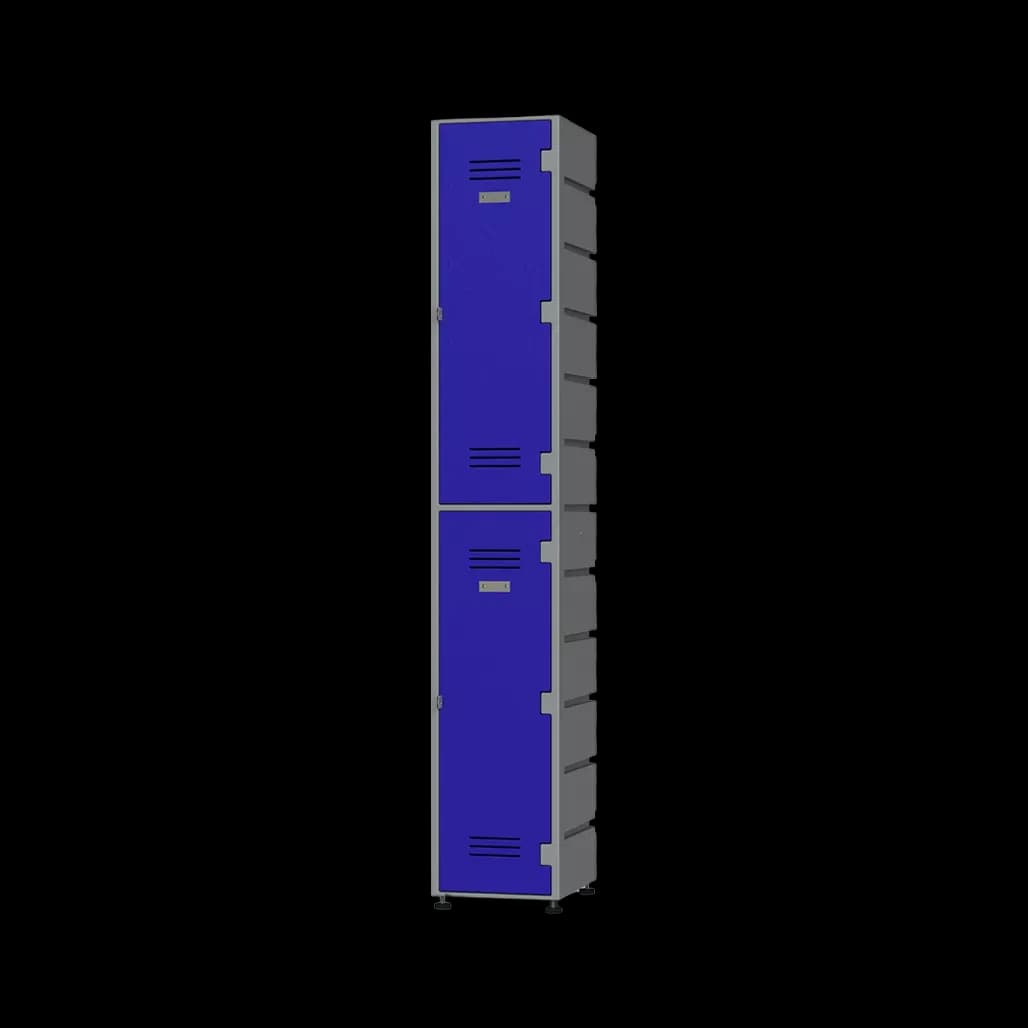
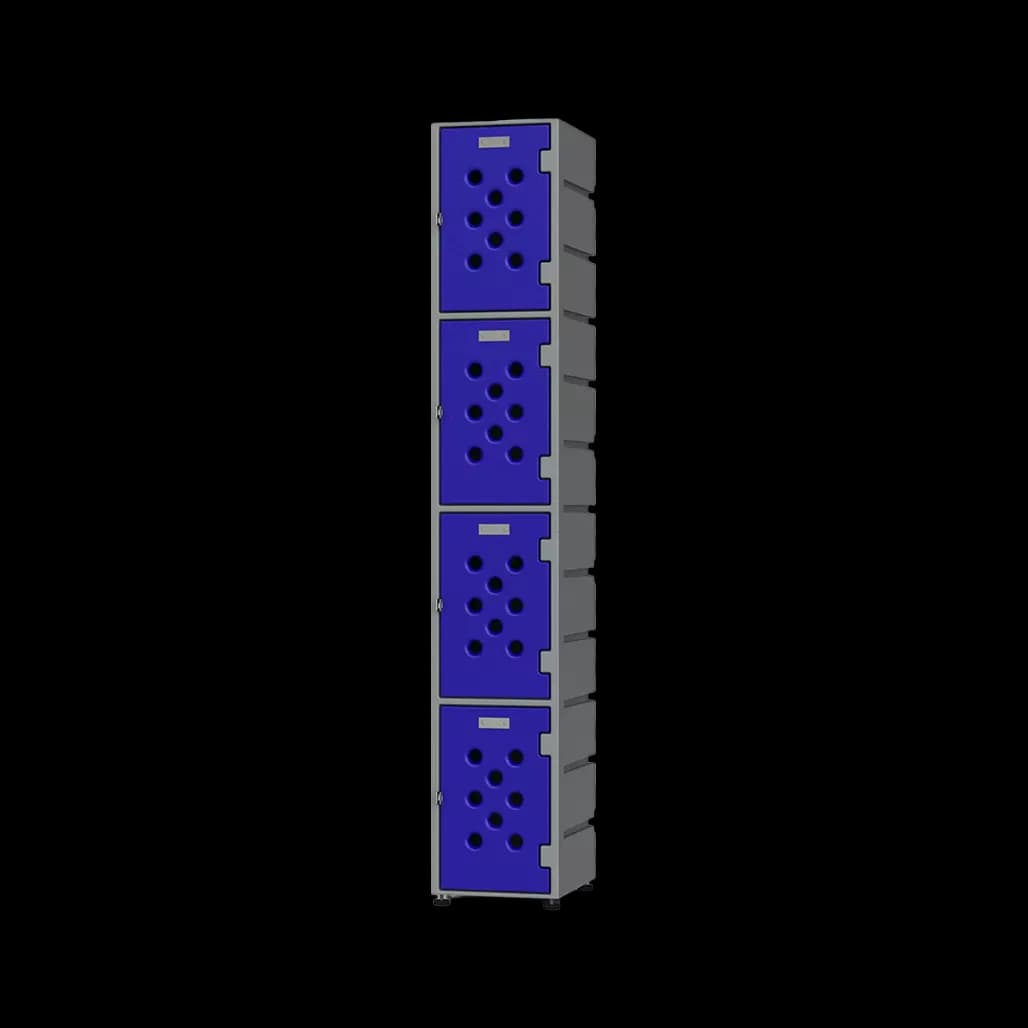
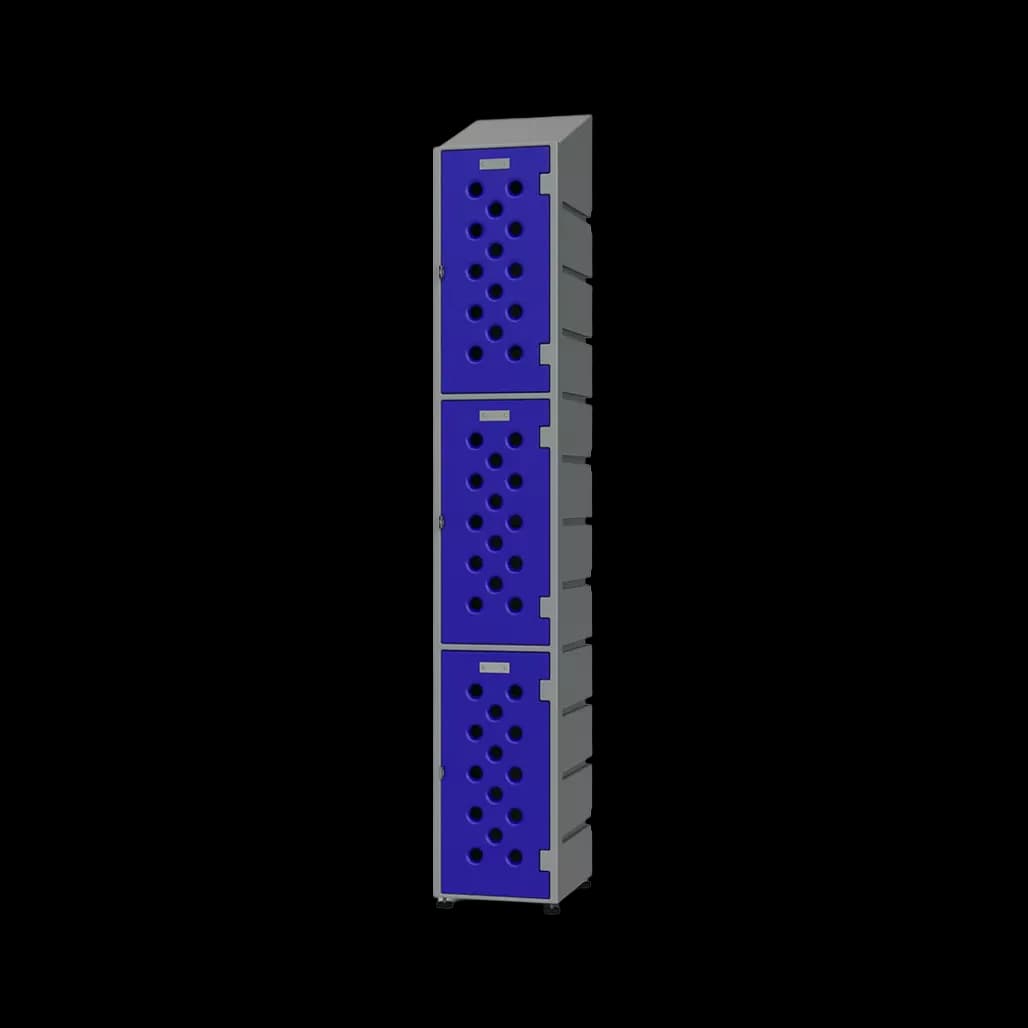
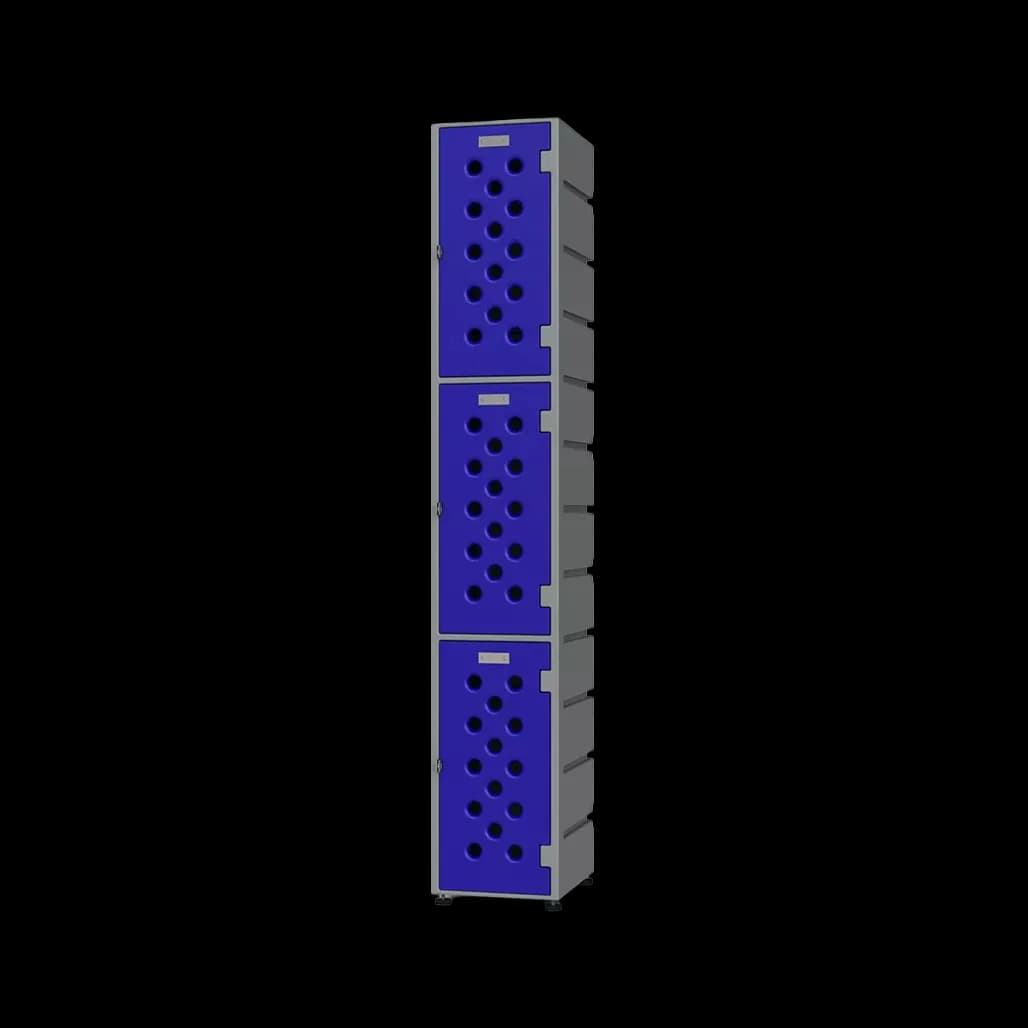
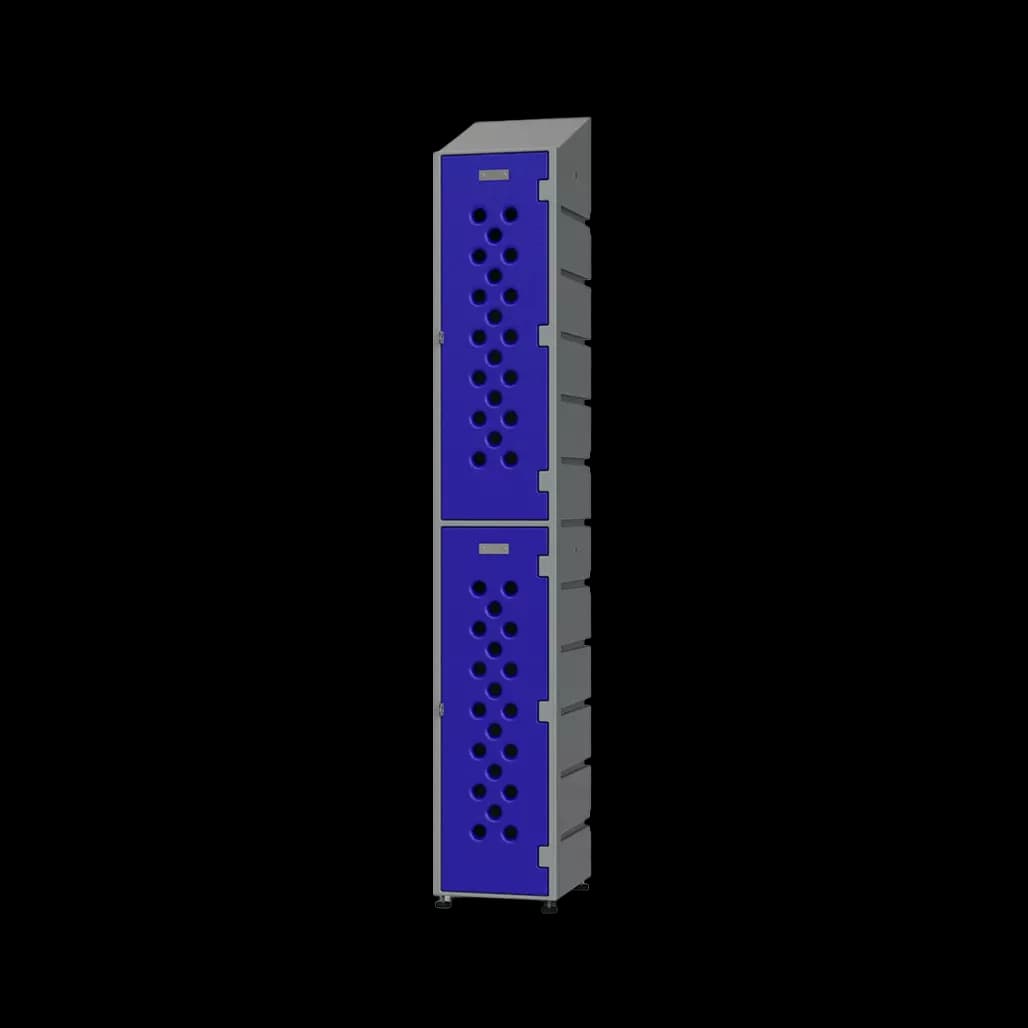
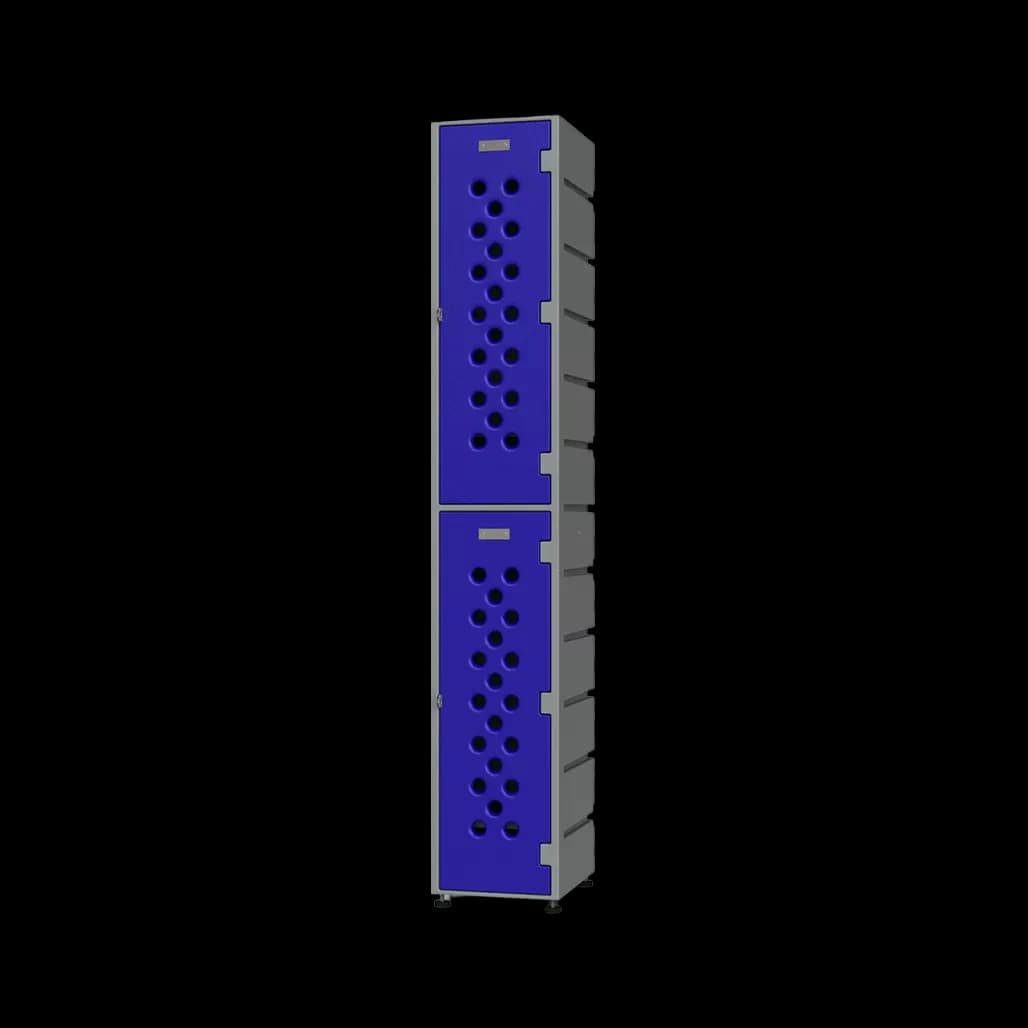
Plastic lockers open and close quietly, reducing noise in warehouses and distribution centers. Plastic lockers don’t dent and bent easily and come in a variety of colours. Plastic lockers are easy to maintain, are waterproof, hygienic and can withstand high pressure cleaning. They are lightweight and easy to install and move. Because they resist corrosion and wear, plastic lockers typically last longer in harsh environments. Plastic lockers are made from recyclable plastic which make them eco – friendly.


How are key lockers used on mining sites?

Key lockers play a crucial role in security and asset control on mining sites, where equipment, vehicles, and restricted areas need strict access management. A plastic polyethylene key and valuables locker stores all keys for vehicles, heavy machinery, offices, control rooms, and restricted zones. Keys are organized, often marked with a tamper evident security seal with a serial number and tracked to ensure only authorized personnel can access them. Key lockers are often located in security offices, control rooms, or shift handover stations.


What is a food locker and how are they used?

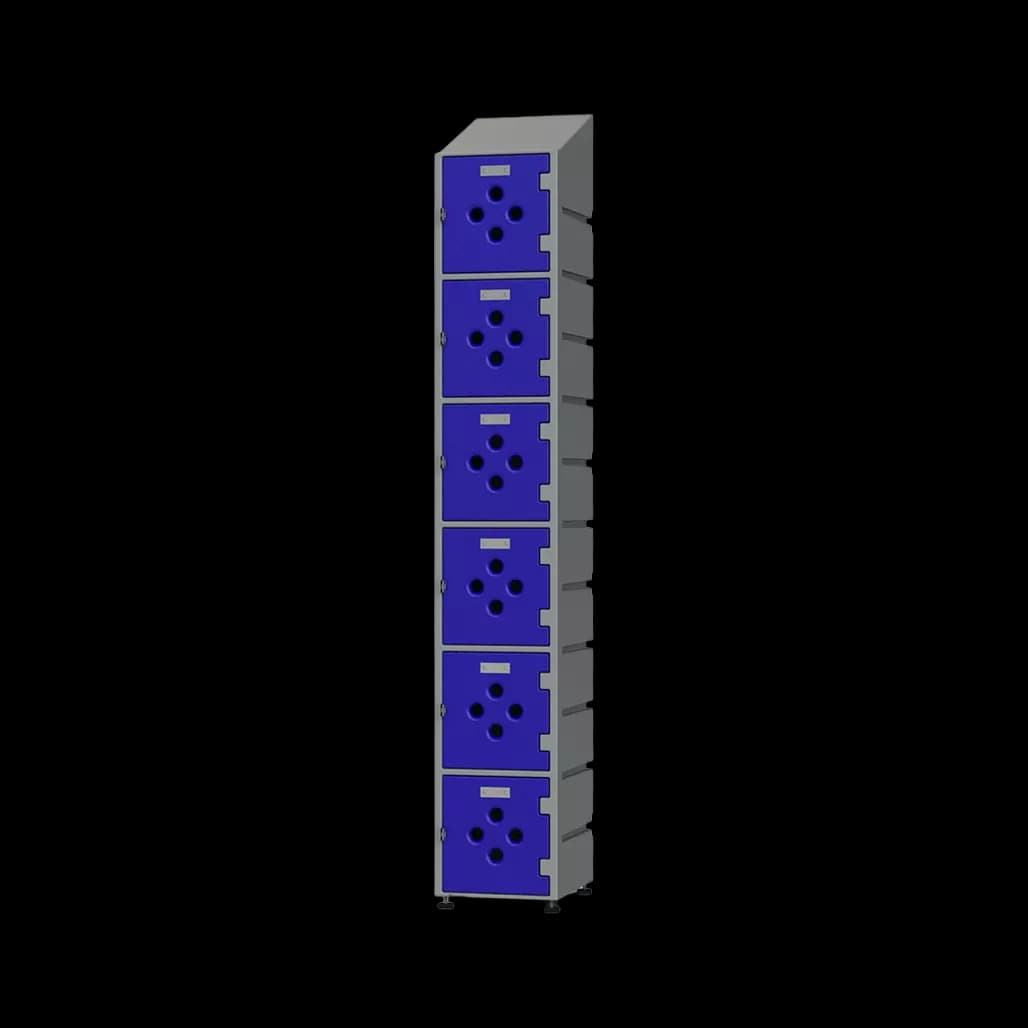
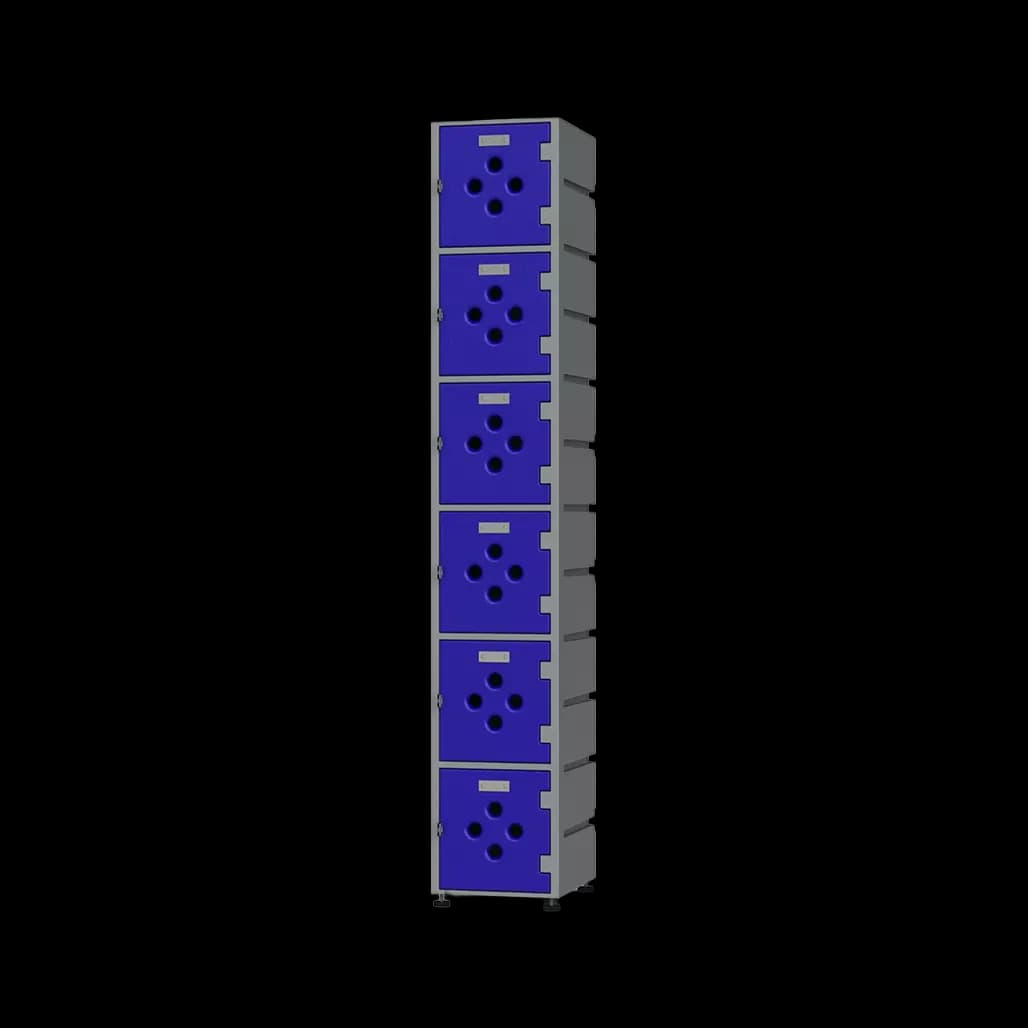
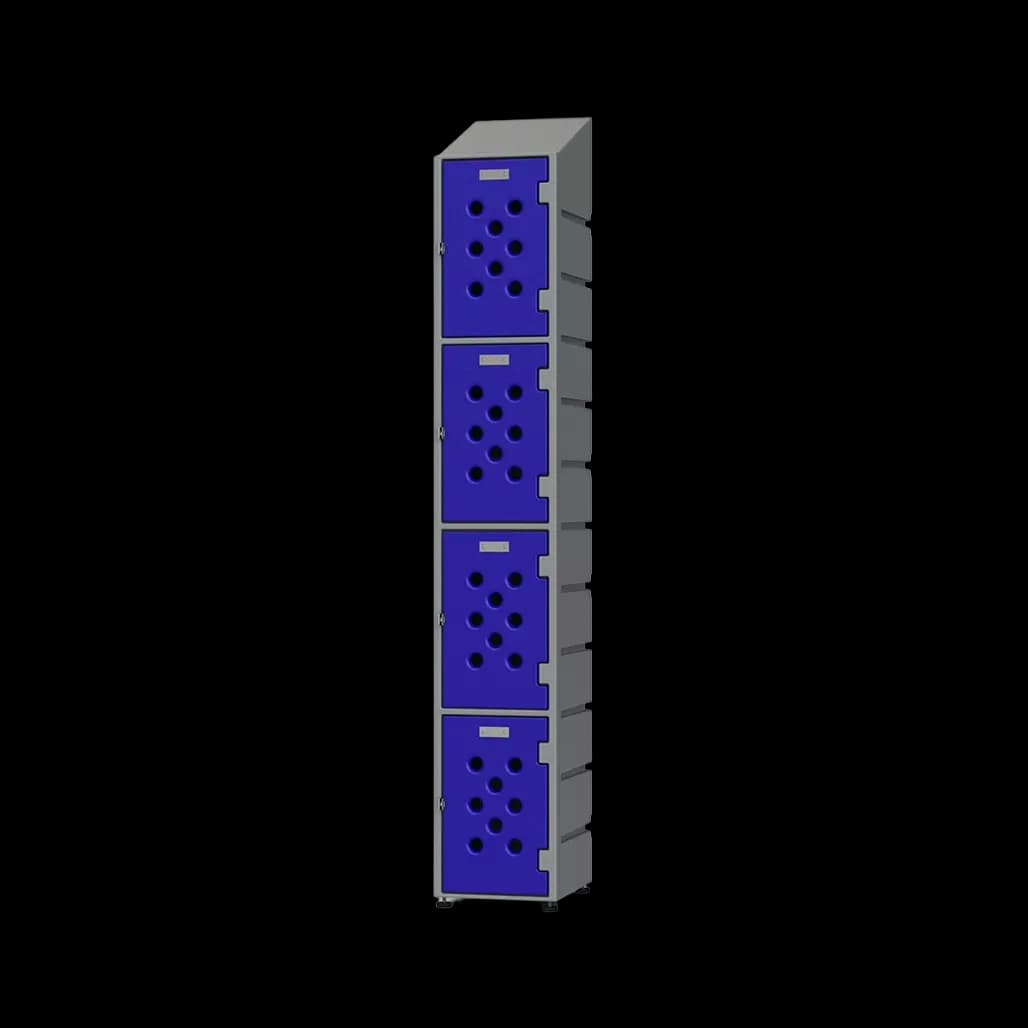
A food locker is a compartment – based storage system where meals can be placed, stored and later retrieved by authorized users. This ensures everyone receives fresh, safe food without overcrowding the canteen. On large sites like mines and pharmaceutical companies, food lockers are used to distribute pre – packed meals to employees. Canteen staff load meals into individual lockers, and workers collect them at their convenience, often using a PIN, QR Code, or access card. Plastic food lockers have smooth, easy to clean surfaces, are manufactured from food grade and FDA approved antibacterial material and is well ventilated for hygiene and safety reasons.


What are plastic lockers made of?

Plastic lockers are made of high quality LLDPE. It is resistant to acids, corrosion, UV and alkali. It is extremely durable and dent resistant.


Are plastic lockers strong enough for industrial use?

Yes, our lockers are made of high quality LLDPE and are impact – and dent resistant, making them suitable for heavy – duty industrial and mining environments.


Can plastic lockers be customized?

Yes, you have a choice of various colours, sizes, locking systems, branding and numbering.


What is the lifespan of a plastic locker?

Typically, 15 – 20 years, depending on usage and environment. Because they don’t rust or corrode, they often outlast steel lockers.


Are plastic lockers easy to install?

Yes, plastic lockers are lightweight and modular, making them easy to install, expand or relocate. They can be stacked or wall – mounted, depending on your layout.


Are plastic lockers more expensive than steel?

They may cost slightly more upfront, but they save money long – terms because they don’t rust or need repainting, require almost no maintenance and last significantly longer in harsh environments.


Can plastic lockers be used in food and clean environments?

Yes, plastic lockers are non – porous, hygienic, and easy to clean and sanitize.