Link – https://www.iso.org/obp/ui/en/#iso:std:iso:17712:ed-2:v1:en
ISO17712:2013 “H” Class
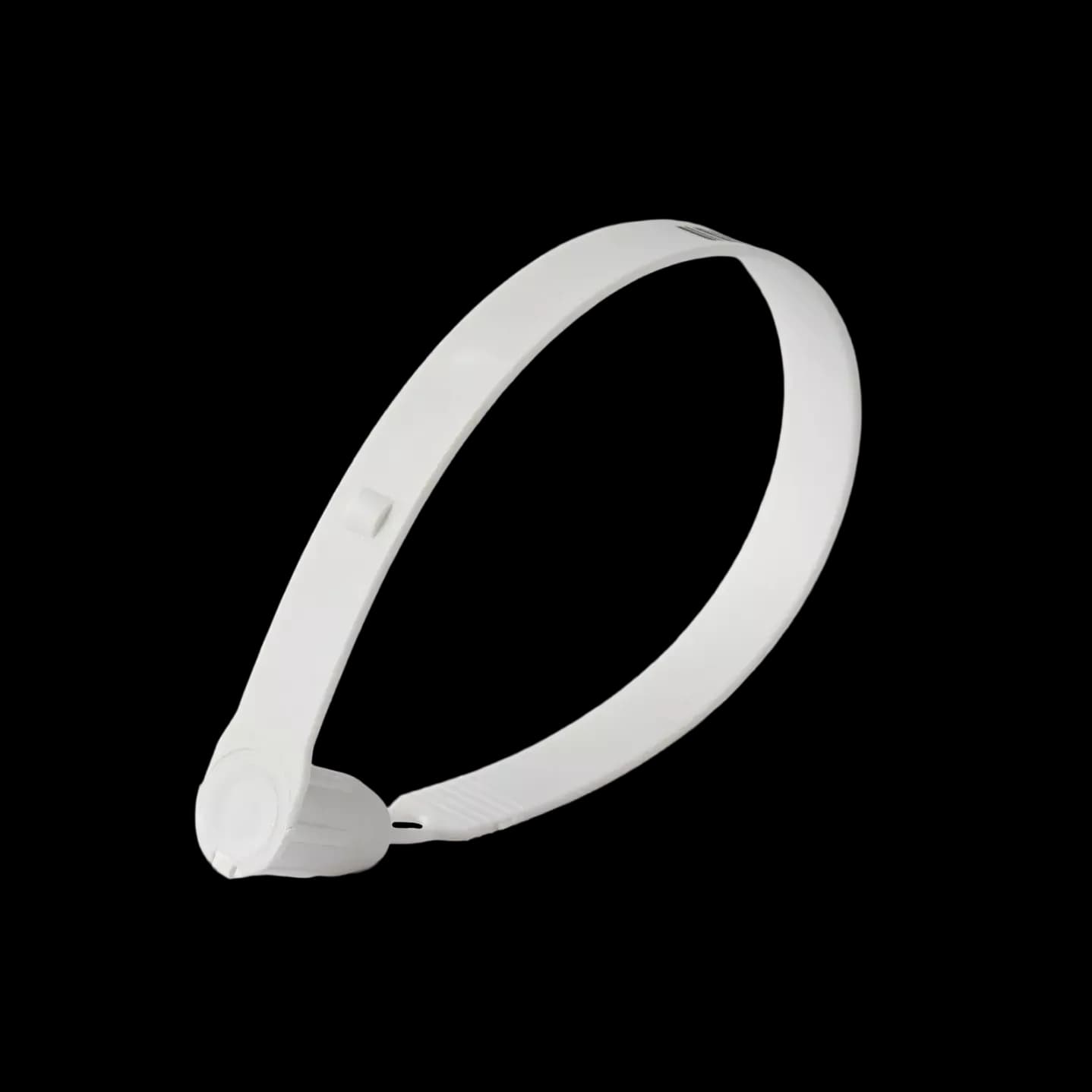
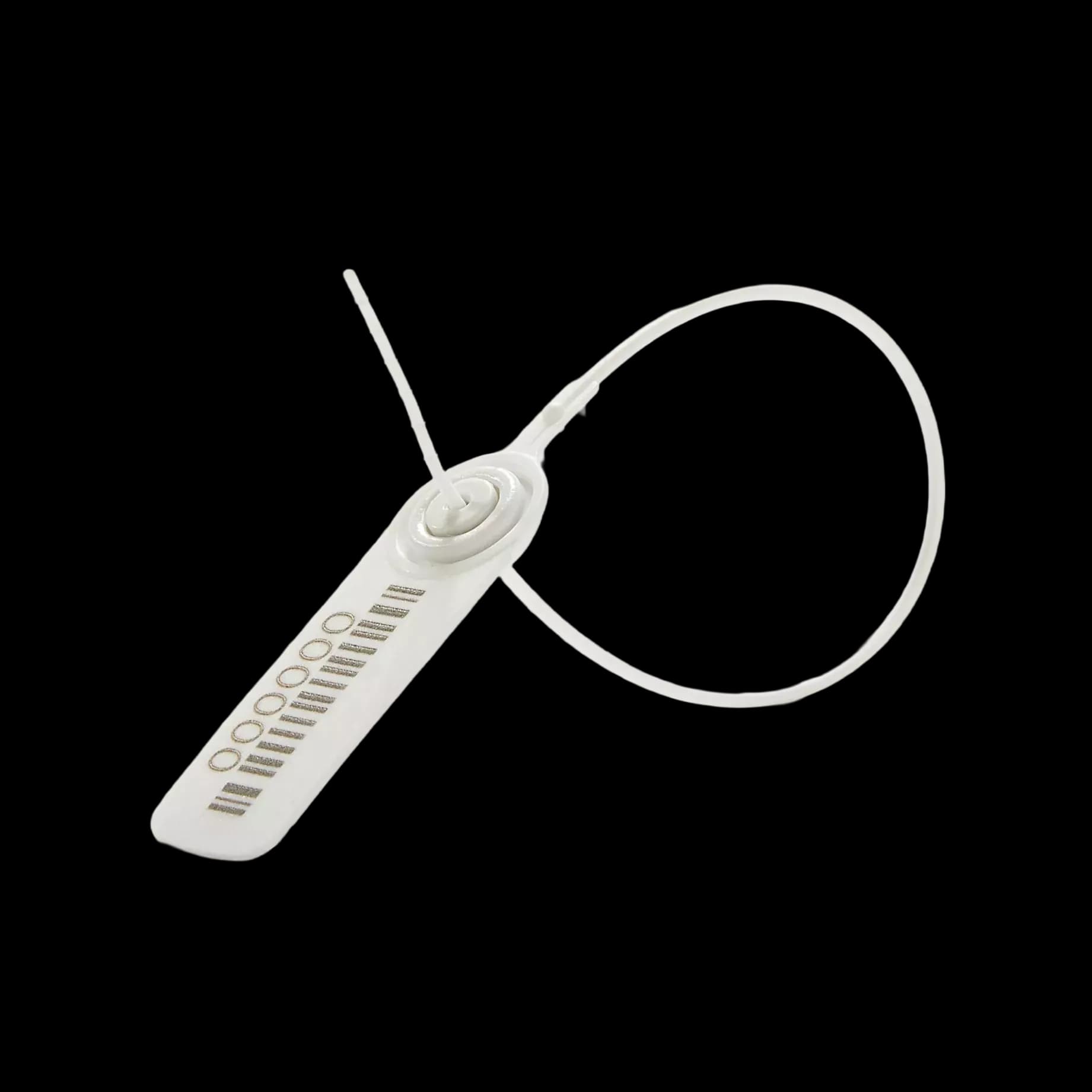
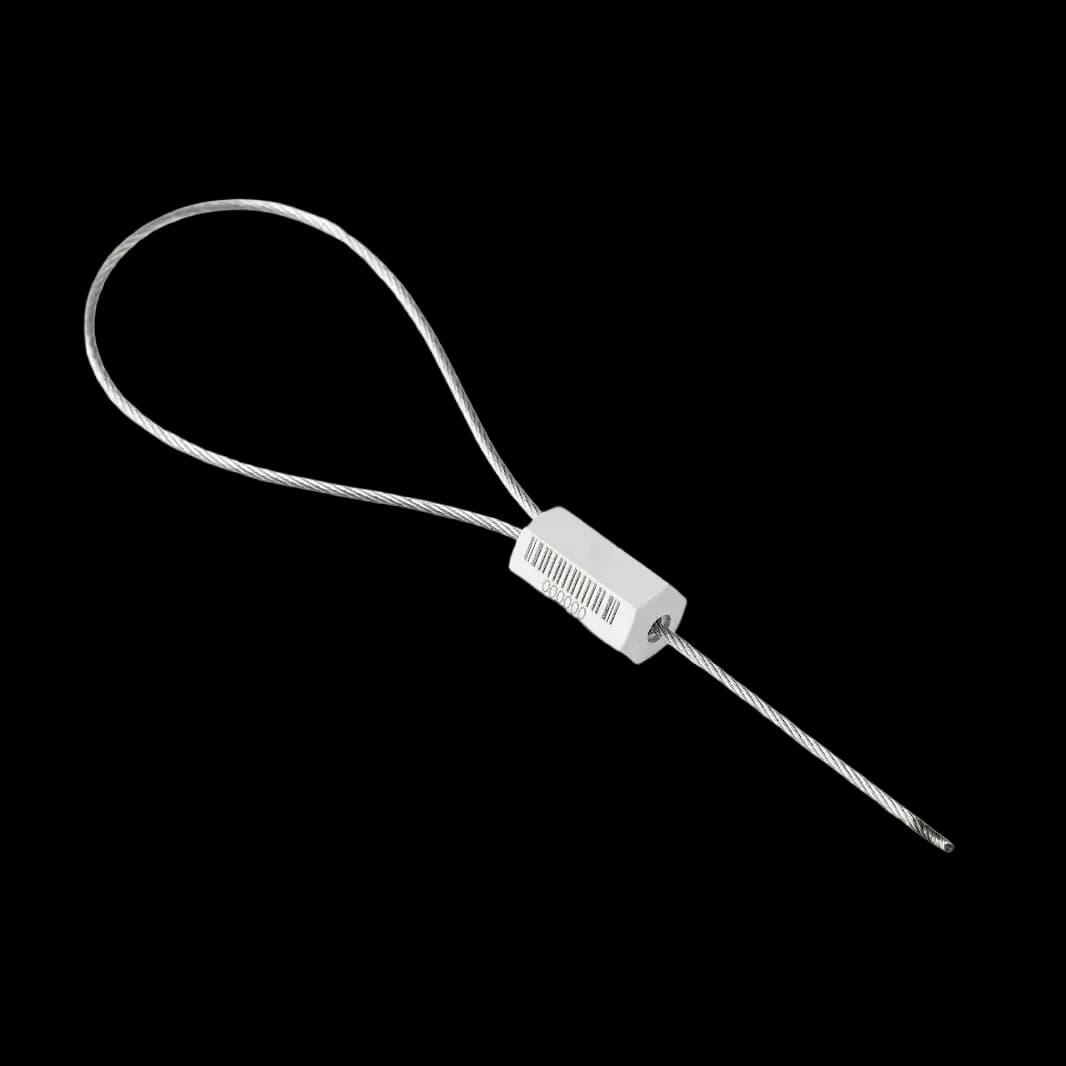
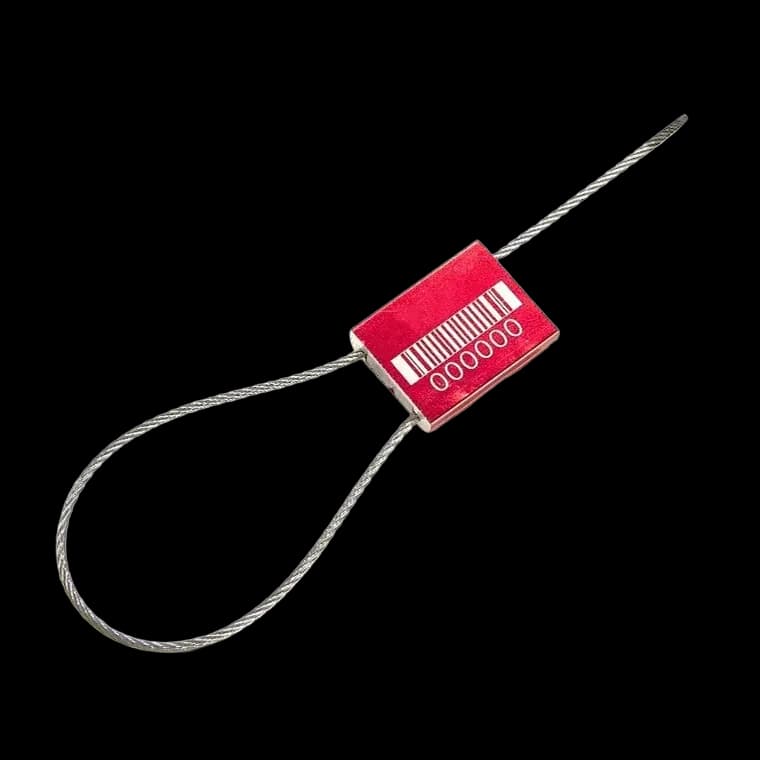
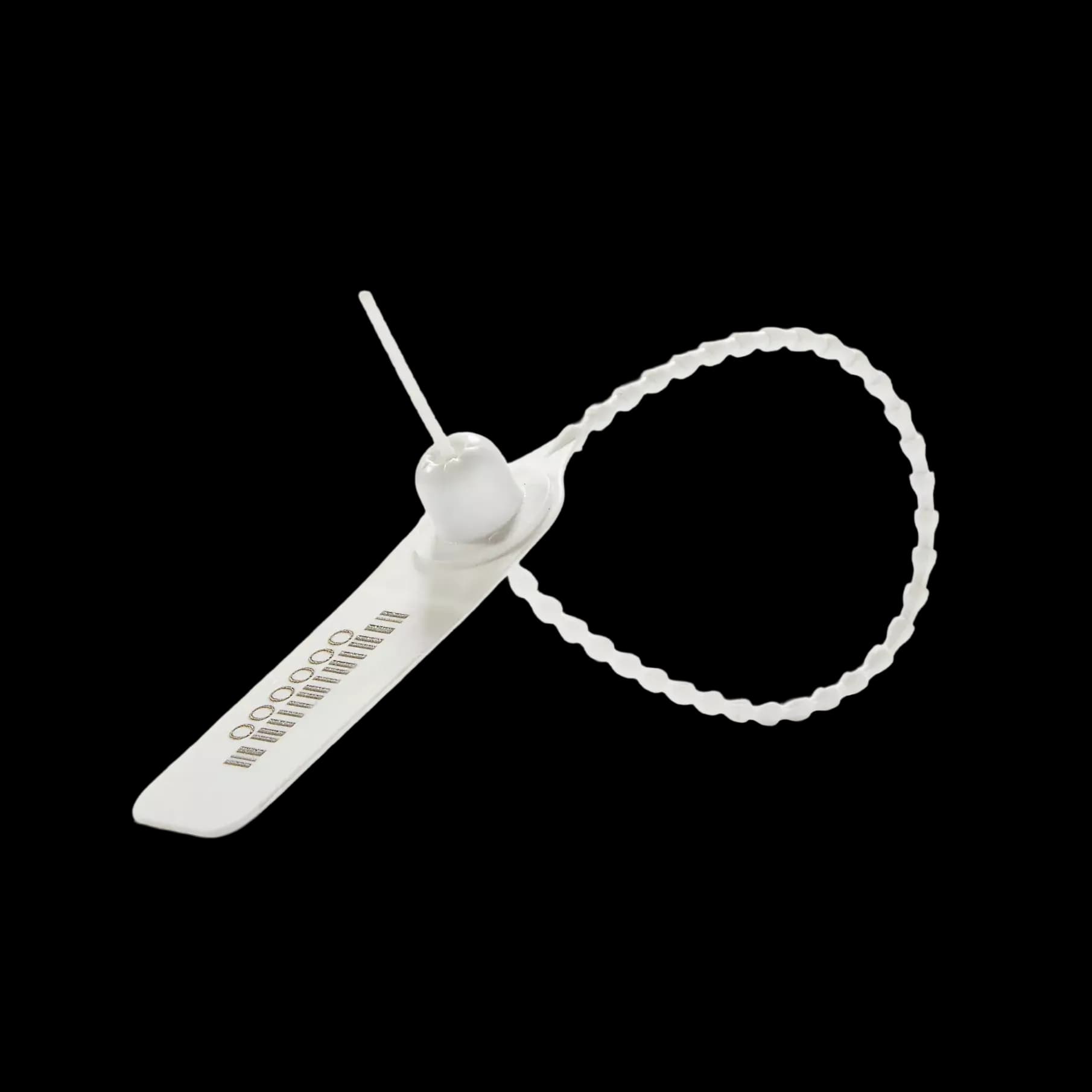
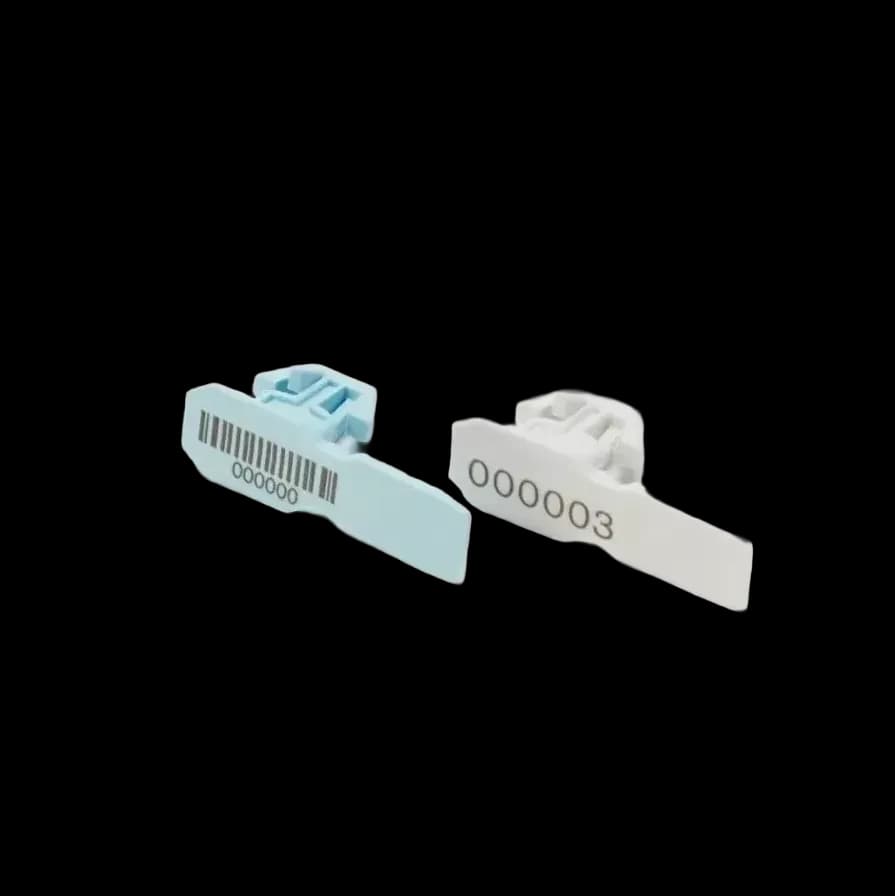
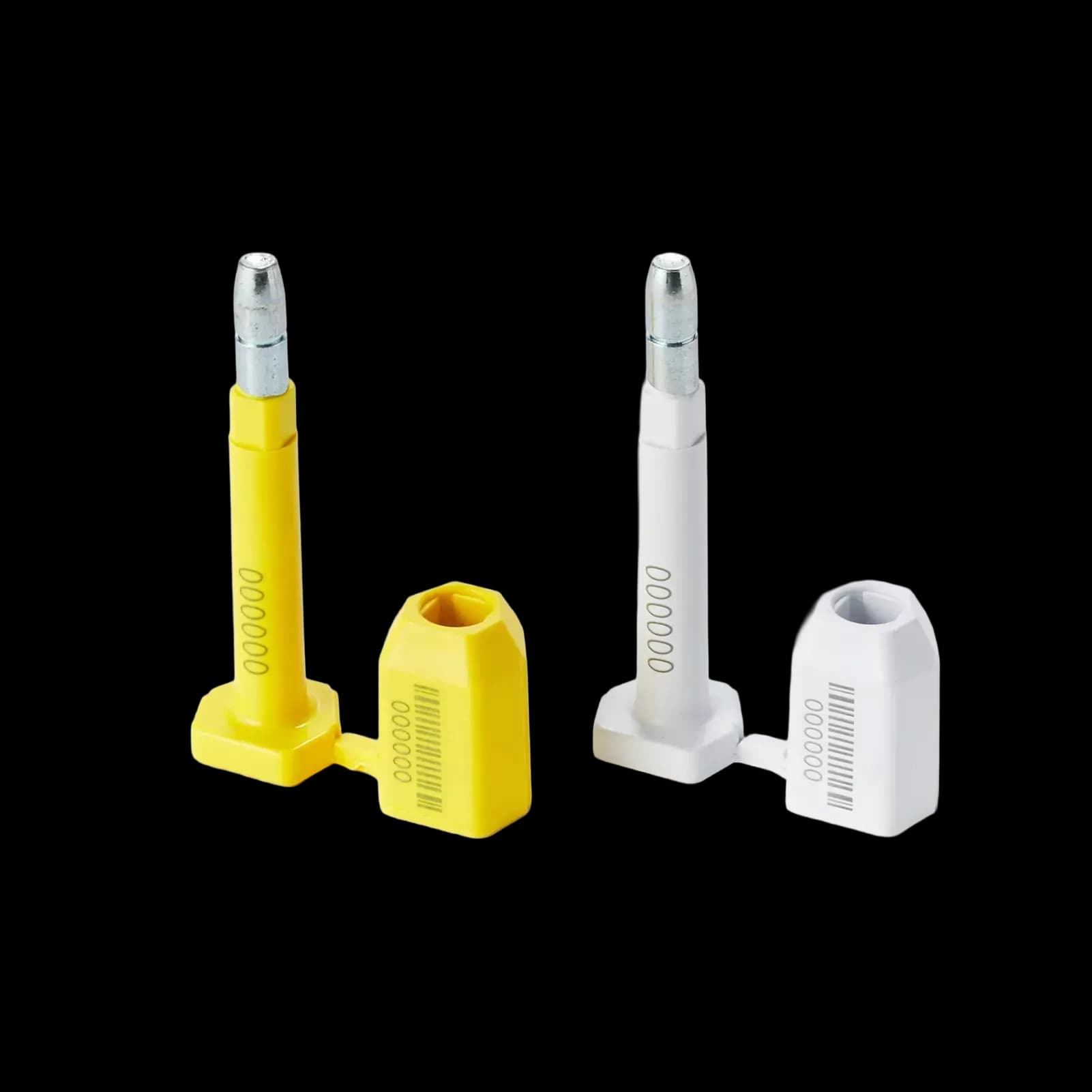
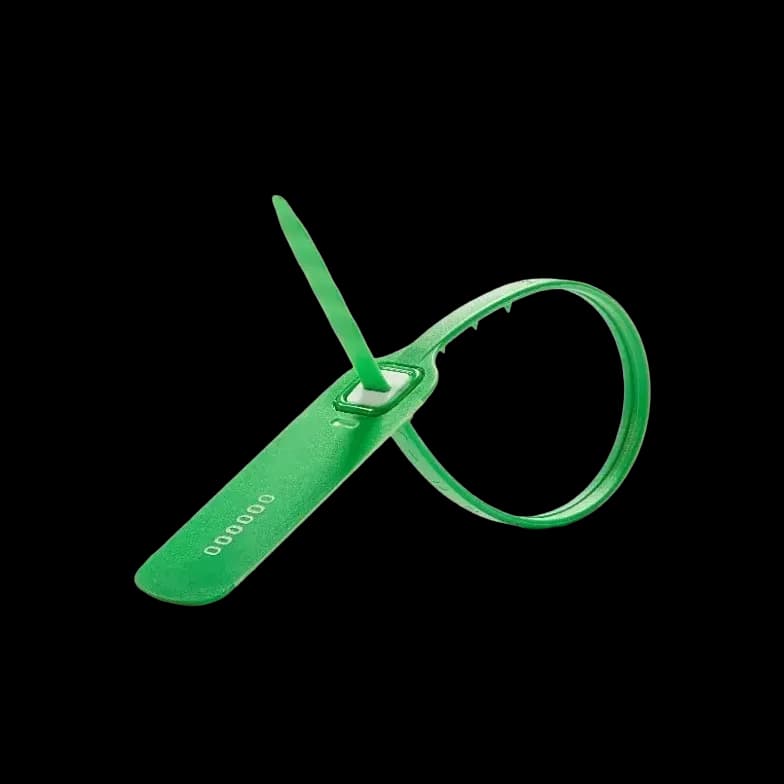
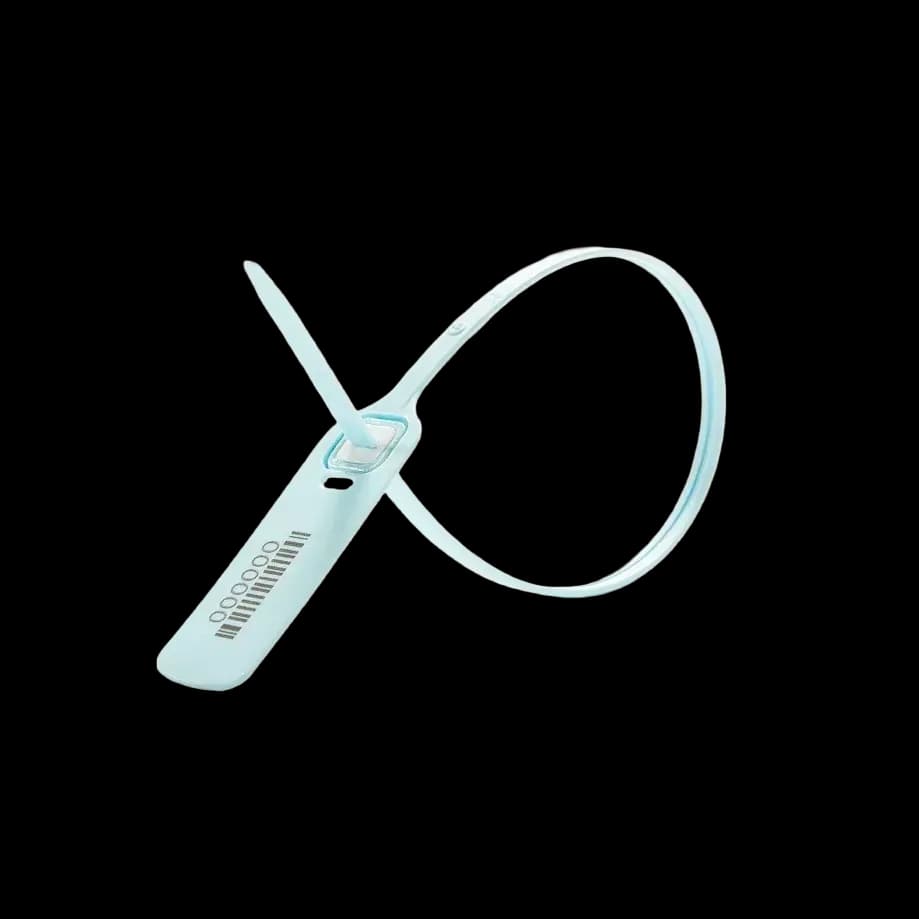
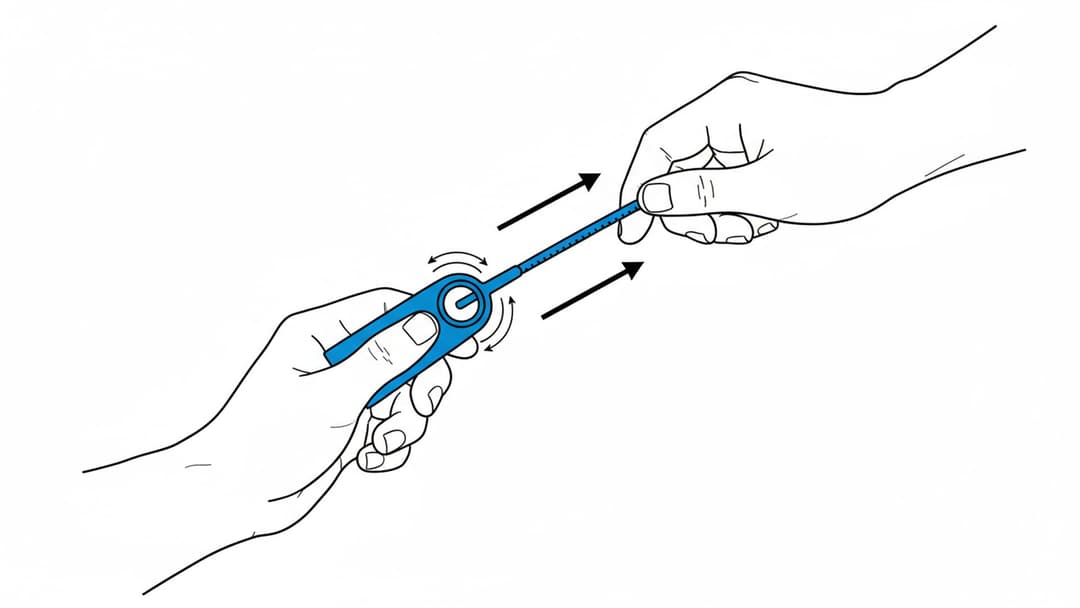
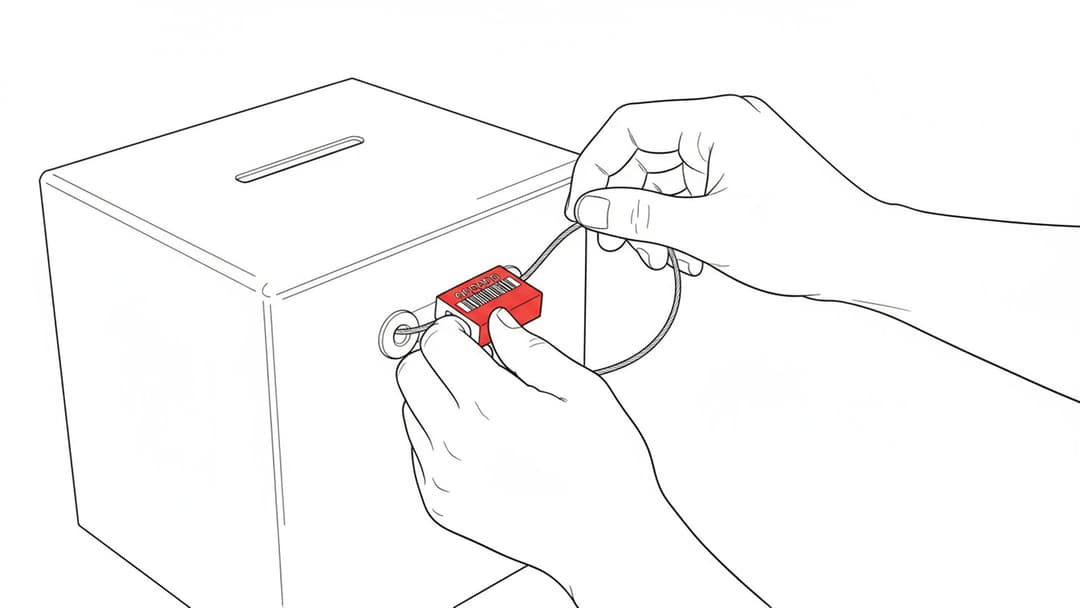
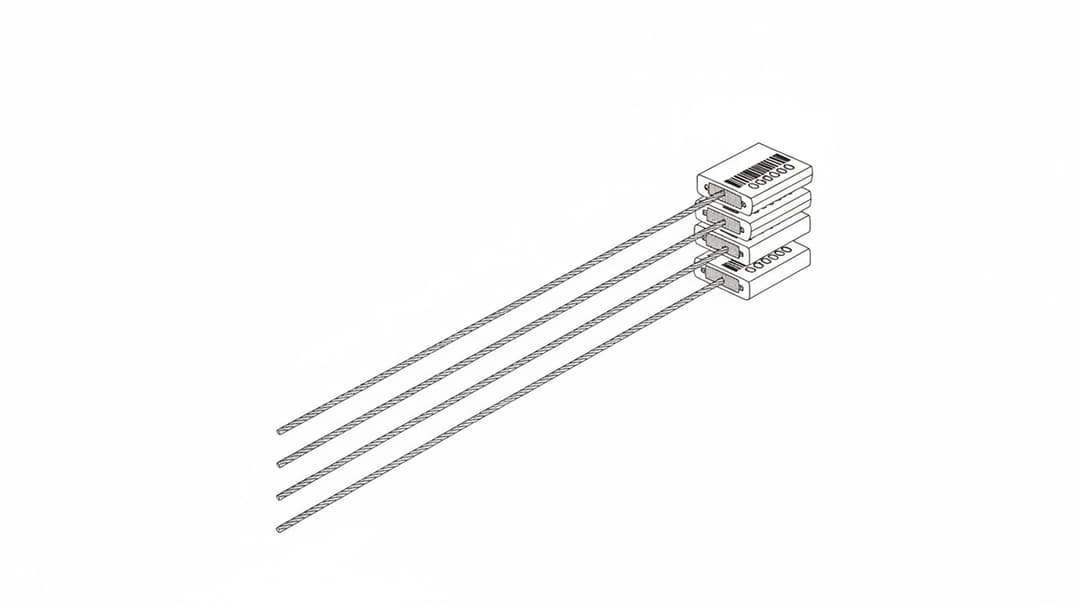
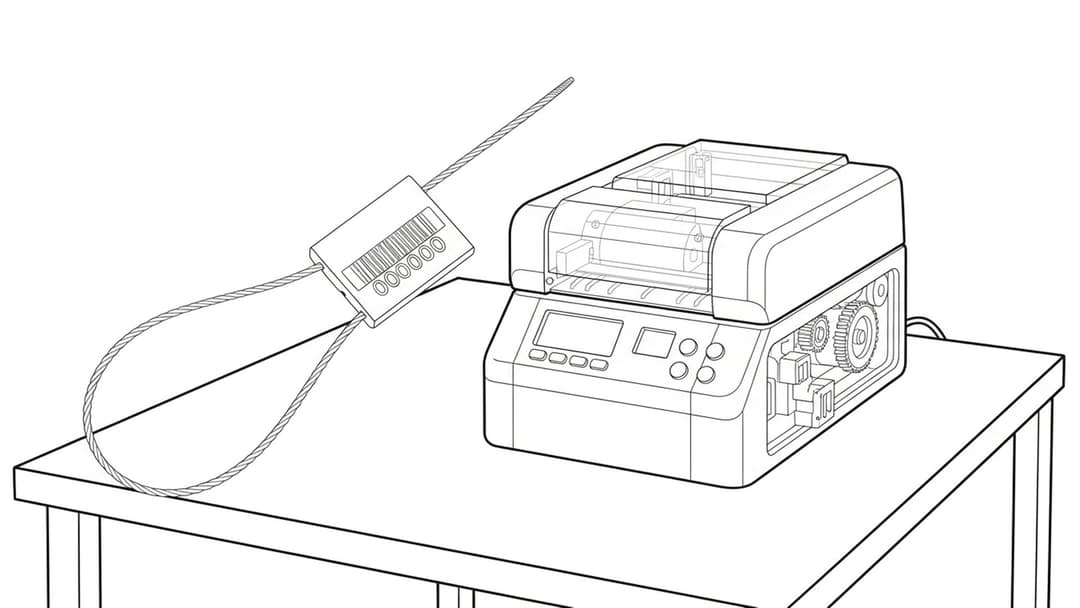
ISO 17712 is an international standard that specifies the requirements for mechanical freight container seals used in international shipping — especially to ensure they are tamper-evident and secure.
Here’s the breakdown:
Purpose: To protect cargo containers from unauthorized access and indicate if tampering has occurred during transit.
Scope: Applies mainly to high-security seals such as bolt seals, cable seals, and other mechanical seals used on intermodal containers.
Key Requirements:
Seal strength — physical performance requirements so they can’t be easily broken.
Tamper evidence — seals must show clear, irreversible signs if someone tries to remove or replace them.
Testing & certification — seals must pass tests conducted by accredited labs.
Seal marking — must have a unique identification number.
Manufacturer security — controls on seal production to prevent unauthorized duplication.
Categories under ISO 17712:
Indicative seals (low strength, for evidence only)
Security seals (medium strength)
High-security seals (H) — the only type recognized for compliance with U.S. Customs–Trade Partnership Against Terrorism (C-TPAT) and the World Customs Organization’s SAFE Framework.
In short, ISO 17712 seals are the gold standard for shipping container security — if you see “ISO 17712: High Security” on a seal, it means it’s been tested and certified to resist tampering and forced entry.
Here’s a comparison table of ISO 17712:2010 vs ISO 17712:2013 to clearly highlight the key differences:
| Category |
ISO 17712:2010 |
ISO 17712:2013 |
| Seal Classifications |
Defined three classes: Indicative, Security, High-Security |
Same three classes; reinforced criteria for High-Security |
| High-Security Seal Testing |
Required mechanical testing to meet certain thresholds |
Testing methods clarified and aligned more with international standards |
| Tamper Evidence |
Required seals to show evidence of tampering |
More detailed and specific requirements for visible, irreversible tamper evidence |
| Tamper Evidence Testing |
General expectations |
Clear test procedures introduced to verify tamper-evidence functionality |
| Manufacturer Security Practices |
Mentioned but not detailed |
Mandatory compliance with security-related best practices during production, storage, and distribution |
| Certification Requirements |
Less detailed regarding testing documentation |
Clearly defined documentation and audit expectations for certification bodies |
| Counterfeit Protection |
Not directly addressed |
Stronger emphasis on preventing unauthorized duplication or counterfeiting of seals |
| Seal Marking Requirements |
Included basic requirements |
No major changes, but more closely monitored under clarified testing regimes |
| Compliance with C-TPAT |
Accepted if seals met High-Security classification |
Still compliant, but only seals tested per 2013 standards qualify as “High-Security” for C-TPAT |
Here’s what changed:
Tamper evidence requirements clarified
- The 2010 version already required seals to be tamper-evident, but in 2013 the language was tightened to make sure seals clearly show evidence if tampering occurs.
- More precise descriptions were added on how seals must demonstrate irreversible, visible tamper evidence.
Testing requirements refined
- The 2013 revision gave clearer testing procedures for both mechanical strength and tamper evidence.
- It also aligned test methods more closely with international practices, making certification more consistent across labs.
Manufacturer security practices strengthened
- ISO 17712:2013 added explicit requirements for manufacturers’ security-related practices — for example, how seals are controlled during production, storage, and distribution to reduce the risk of counterfeiting or unauthorized duplication.
Confirmation of high-security seal classification
- The 2013 edition clarified the definitions of Indicative, Security, and High-Security (H) seals.
- Only High-Security seals tested to the new criteria qualify for compliance with programs like C-TPAT (U.S. Customs-Trade Partnership Against Terrorism).