
MENU

Close your box with standard packing tape, shipping tape, buff tape, carton sealing tape or strapping tape by running the tape along the centre seam of the box.
Cut 20cm strips of the security tape and place the strips of the security tape 20cm apart across your standard tape.
Ensure the bottle and cap of the bottle is clean and dry
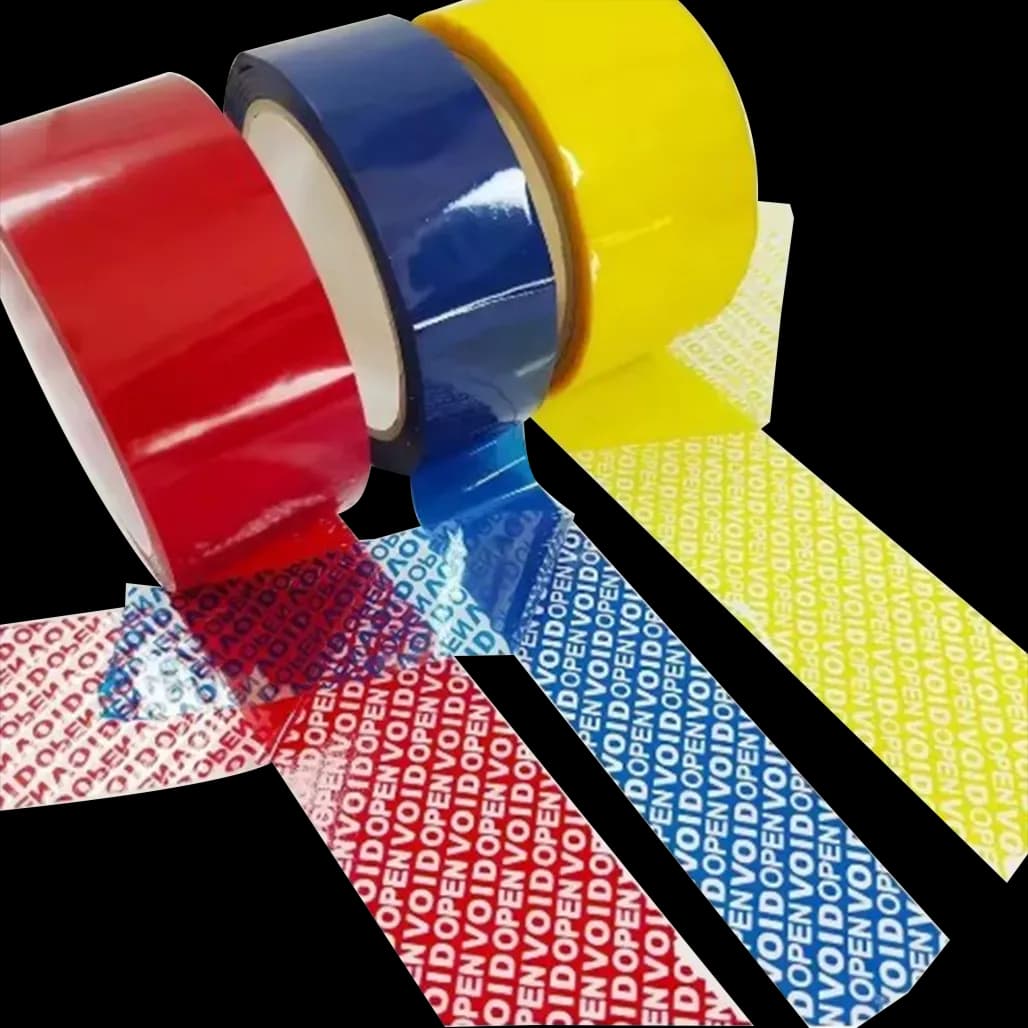
Cut a strip of tamper evident tape long enough to run the security tape from one side of the bottle, over the cap, and down the other side of the bottle. Signs of tampering will be evident when someone attempts to open the bottle as the tape will tear or leave a VOID residue behind on the bottle when opened. The security tape cannot be reused.
Wrap the security seal around the neck of the bottle and ensure the security tape overlap onto the cap. Attempts of tampering will tear/break the seal at the neck of the bottle, which is a clear sign of tampering. The security tape cannot be reused.
For extra security, the entire cap and a part of the neck of the bottle can be covered with tamper evident security tape.
Food safety and compliance is a mandatory requirement in the aviation industry. It includes monitoring and full traceability at every step of the food handling process.
These steps include from where the food is prepared in catering facilities to where the food gets loaded onto the aircraft and served to passengers.
Catering trolleys and catering bins are sealed with tamper evident security seals to deter tampering and theft and ensure passenger health and satisfaction.
Securing aircraft doors with serialized tamper evident security labels is a standard security measure taken by all South African airlines.
Compromised tamper evident security labels is an indication of tampering with aircraft instruments or possible terrorist activities when the aircraft is not in flight.
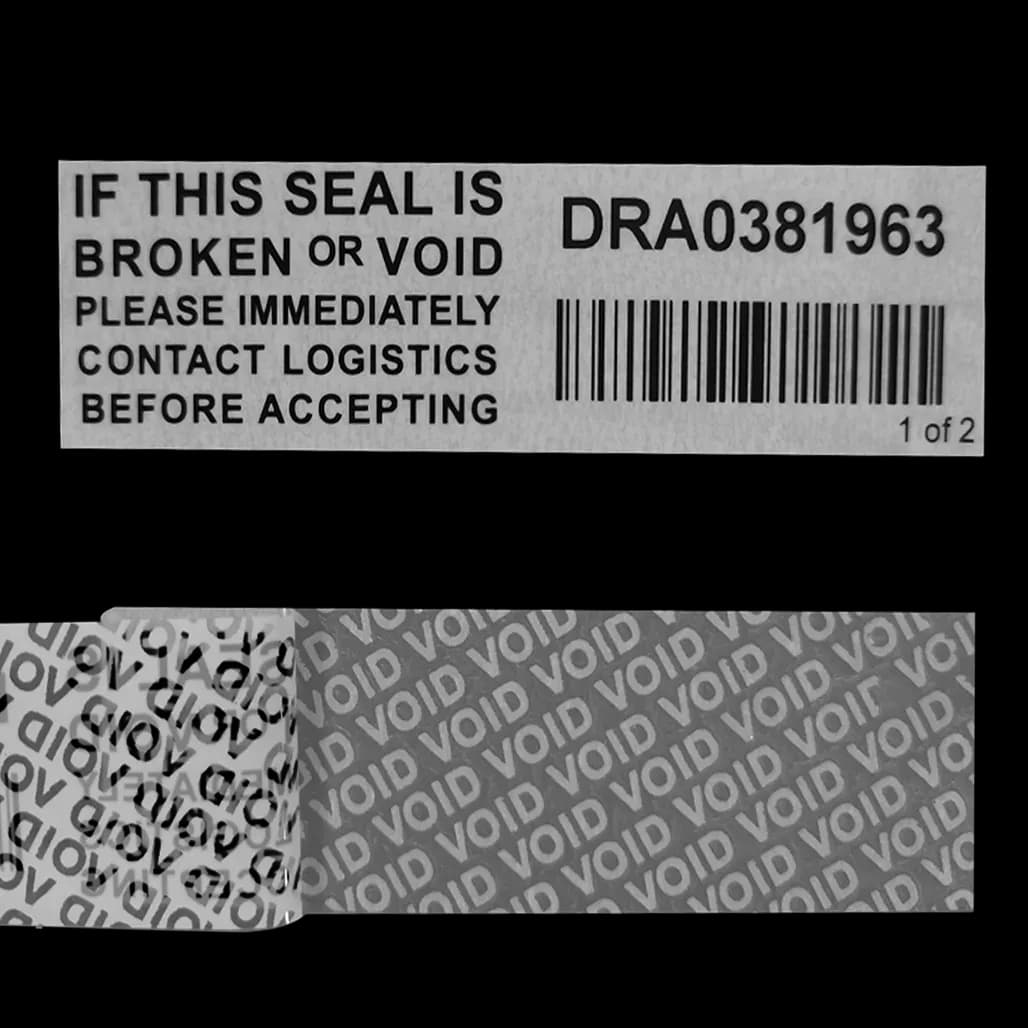
Tamper evident labels and tamper evident tape prevents imitation of products. Unique messages that are difficult to imitate leaves a “VOID” message behind when removed from the original product.
The label cannot be re–applied once removed from the original product.
Safety first when it comes to food, pharmaceuticals and cosmetics. Tamper evident labels and tape seal the opening of containers and ensure consumer confidence and trust. Tamper evident messages like “VOID” indicates tampering with containers when you remove the seal.
Branded and customized tamper evident tape can also act as unique identifiers for your company. Once removed from containers, the tamper evident tape cannot be re-applied and leaves a visible mark of tampering.
Proper storage ensures that the adhesive and security features remain effective until used. Store it in a cool, dry place at room temperature.
Avoid extreme heat or freezing conditions. Keep it in an environment with relative humidity as excessive moisture can affect the adhesive.
Store it away from direct sunlight and UV exposure. Keep the rolls and labels in their original packaging until you use it to avoid dust, dirt, or contamination.
Resistance depends on the specific product type and material used.
Temperature: Most tamper evident tapes and labels are designed to perform reliably in normal storage and transport conditions. However, extreme heat or freezing temperatures may affect the adhesion or the visibility of the VOID message.
For high–temperature or cold–chain applications, specialized versions are available.
Moisture: Standard products are moisture resistant, but for environments with high humidity, condensation, or direct water exposure, water resistant or film–based labels are recommended.
Chemicals: While tamper evident labels and tamper evident tape withstand light cleaning agents, exposure to strong solvents, oils or industrial chemicals can compromise adhesion and tamper indicators.
Chemical resistant grades are available for pharmaceutical, aviation, and industrial use.
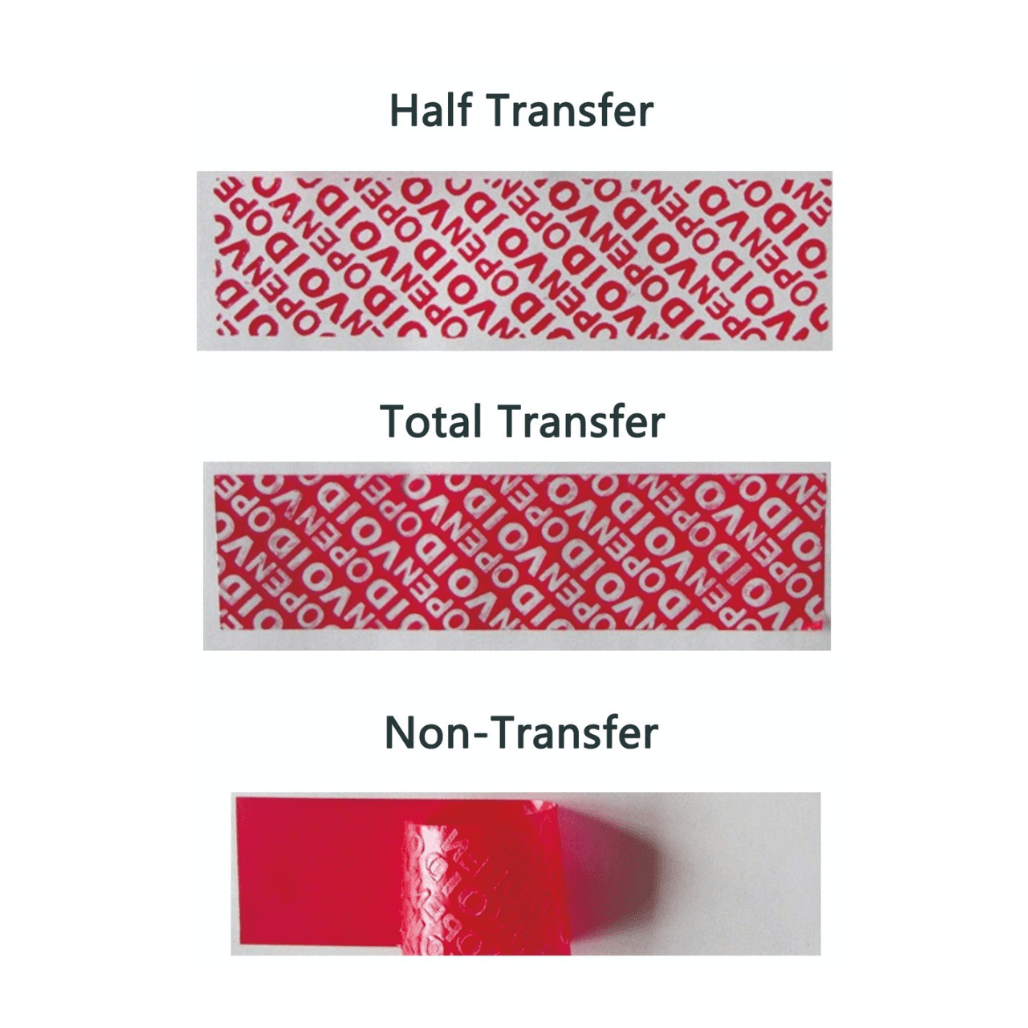
No, once the tamper evident tape or label was removed, a clear VOID message will be either on the tape or label itself, or a residue will be transferred to the container which will compromise the label or tape.
No, non–transfer tamper evident labels will not leave a residue on your container, however as you pull the label from the container, a clear VOID message will appear on the label itself. As part of mitigating the risk of pilferage, you will not be able to reapply the label to the container.
Tamper evident tape or labels can be applied to cardboard, plastic, glass, and metal.
A total transfer tamper evident label will leave a VOID residue behind on your container when you remove it.
A non–transfer tamper evident label will not leave a VOID residue behind on your container, but it will leave a VOID message on the label itself as you remove it from the container.